
Do I Need Planning Permission for a New Driveway?
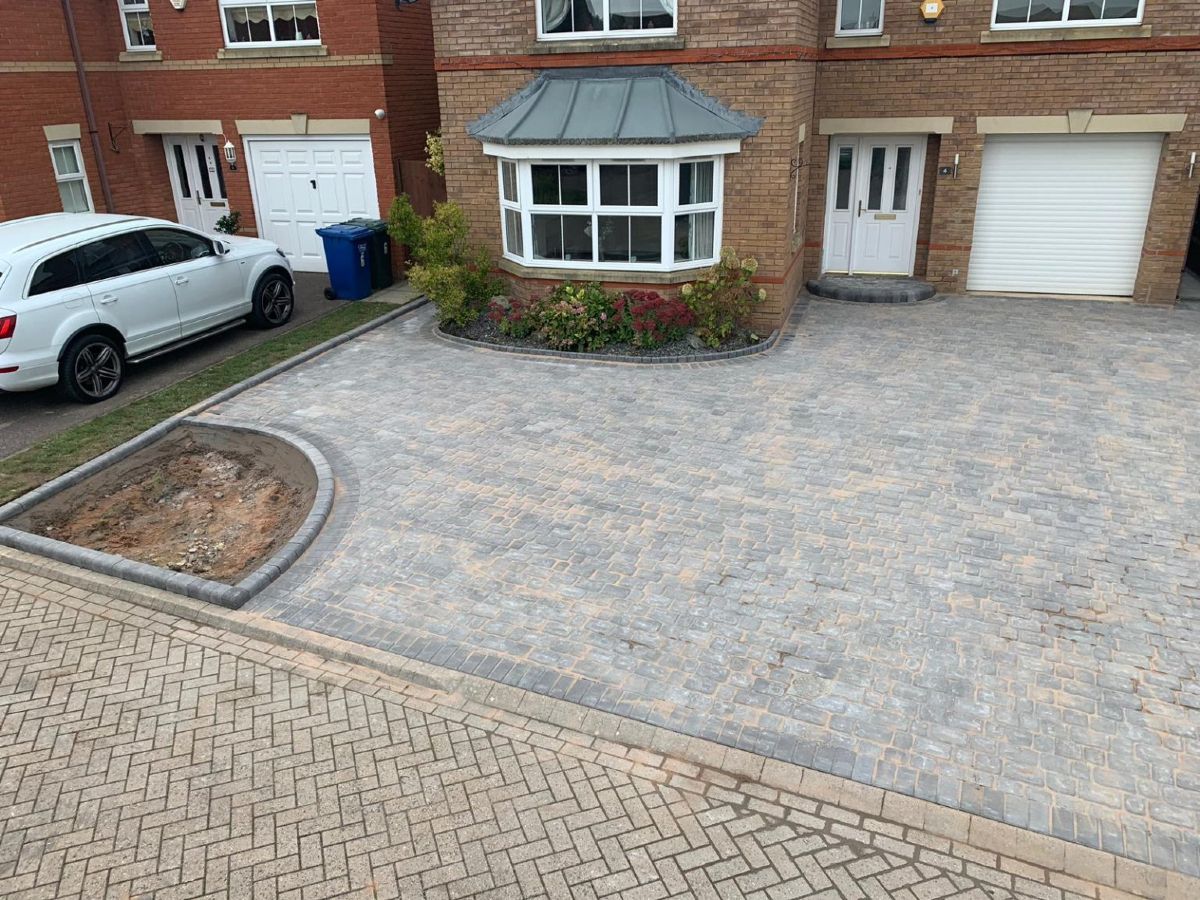
In many cases, you do not need planning permission to install a new driveway. However, there are specific rules you must follow, particularly around drainage and surface type.
The key consideration is whether the new driveway will allow rainwater to drain properly and avoid increasing surface water runoff onto public roads or neighbouring properties.
Permitted Development Rights
Most homeowners benefit from what is known as permitted development rights. These allow certain home improvements, including driveways, to be carried out without applying for full planning permission, provided they meet specific conditions.
One of the main conditions relates to how water is managed. If your driveway uses a permeable surface, or if rainwater is directed to a suitable drainage area within your property, planning permission is typically not required.
Permeable surfaces include materials that allow water to pass through them, reducing runoff. Resin-bound systems are a common example when installed correctly on a suitable base.
When Planning Permission May Be Required
Planning permission is usually required if the driveway does not include adequate drainage and allows water to run off onto the road or into a drainage system without permission.
It may also be required if the driveway exceeds certain size limits and does not incorporate proper water management solutions.
In addition, if your property is listed or located in a conservation area, additional restrictions may apply. In these cases, it’s always advisable to check with your local authority before starting work.
Drainage Considerations
Proper drainage is one of the most important aspects of any driveway installation.
Even if planning permission is not required, the surface must be designed to handle rainwater effectively. This can be achieved through permeable materials or by installing drainage channels, soakaways, or other water management systems.
At M&C, drainage is assessed during the site visit to ensure the finished driveway complies with relevant guidelines and performs correctly in all weather conditions.
Common Driveway Surface Implications
Different driveway surfaces interact with planning rules in different ways.
Resin-bound driveways are often suitable for permeable installations, depending on the base construction. Block paving can also be designed to be permeable when laid with appropriate jointing and sub-base materials. Tarmac is generally non-permeable, so additional drainage solutions are typically required to manage water runoff.
The choice of surface should therefore take into account both appearance and compliance with drainage requirements.
How to Stay Compliant
The simplest way to ensure your driveway complies with regulations is to plan drainage from the outset.
A professional installer will assess your property, identify how water naturally flows across the site, and recommend the most appropriate solution. This may include permeable materials, drainage systems, or a combination of both.
A site visit also helps determine whether any additional permissions or considerations apply based on your location and property type.
Related Driveway & Patio Guides
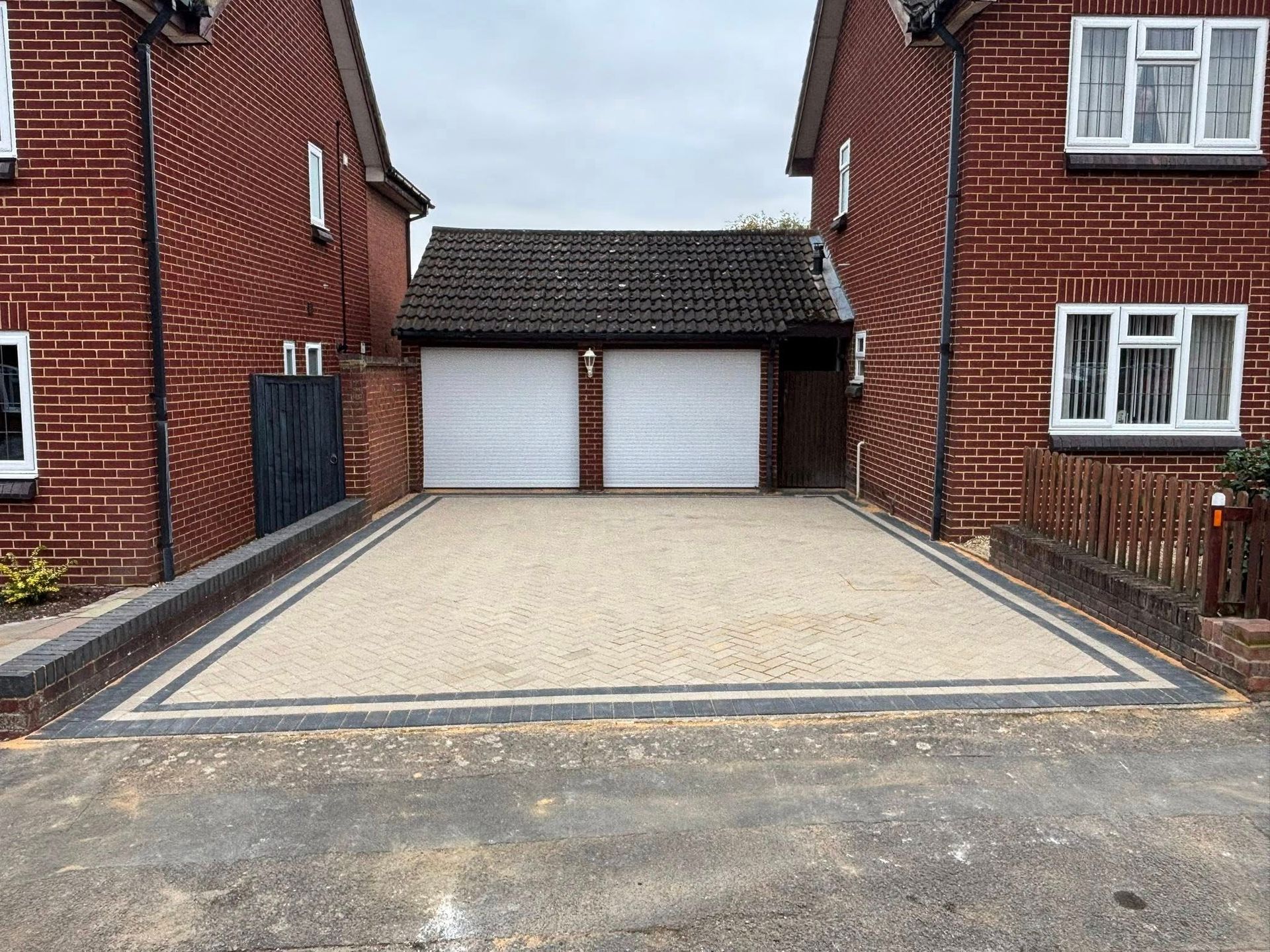
What Does a New Driveway Cost?
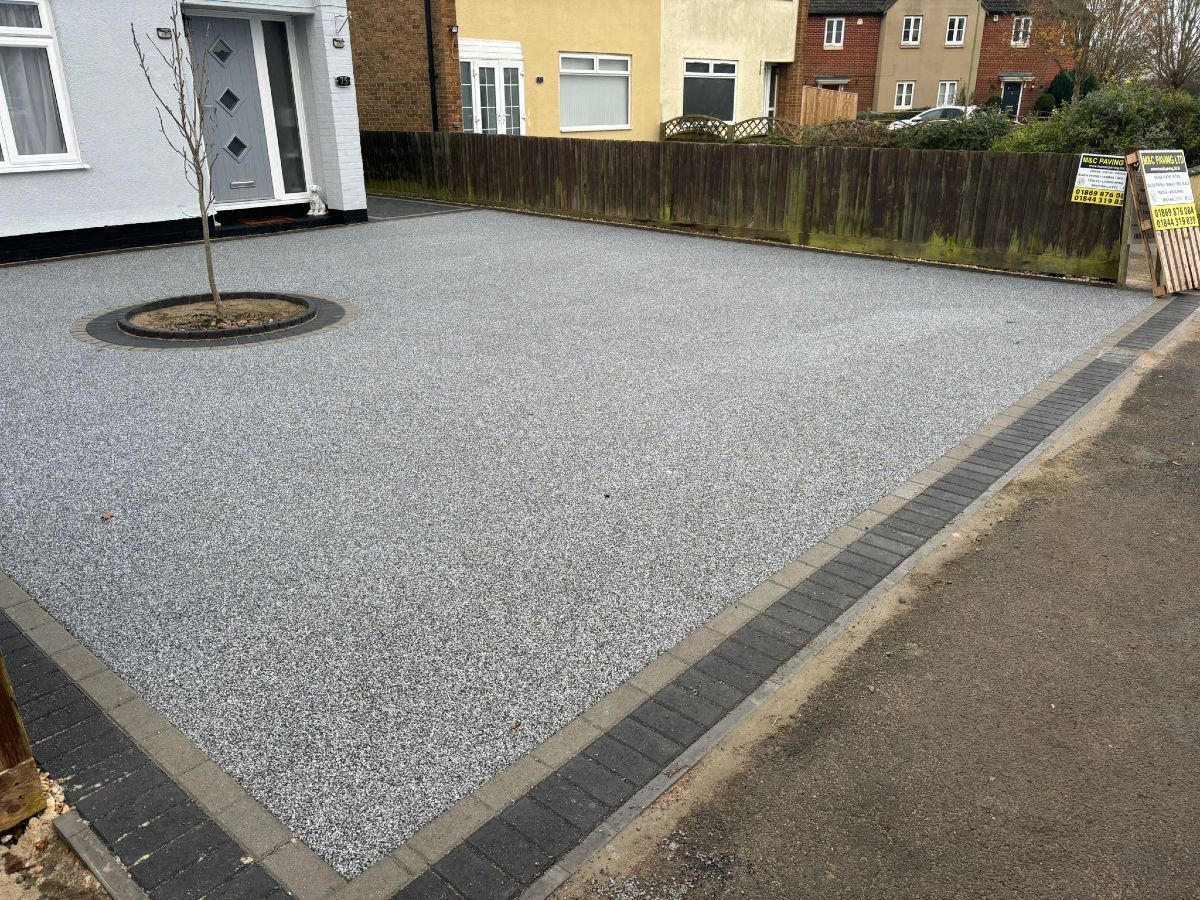
Which Driveway Surface Is Right for You?
Do I Need Planning Permission for a New Driveway?
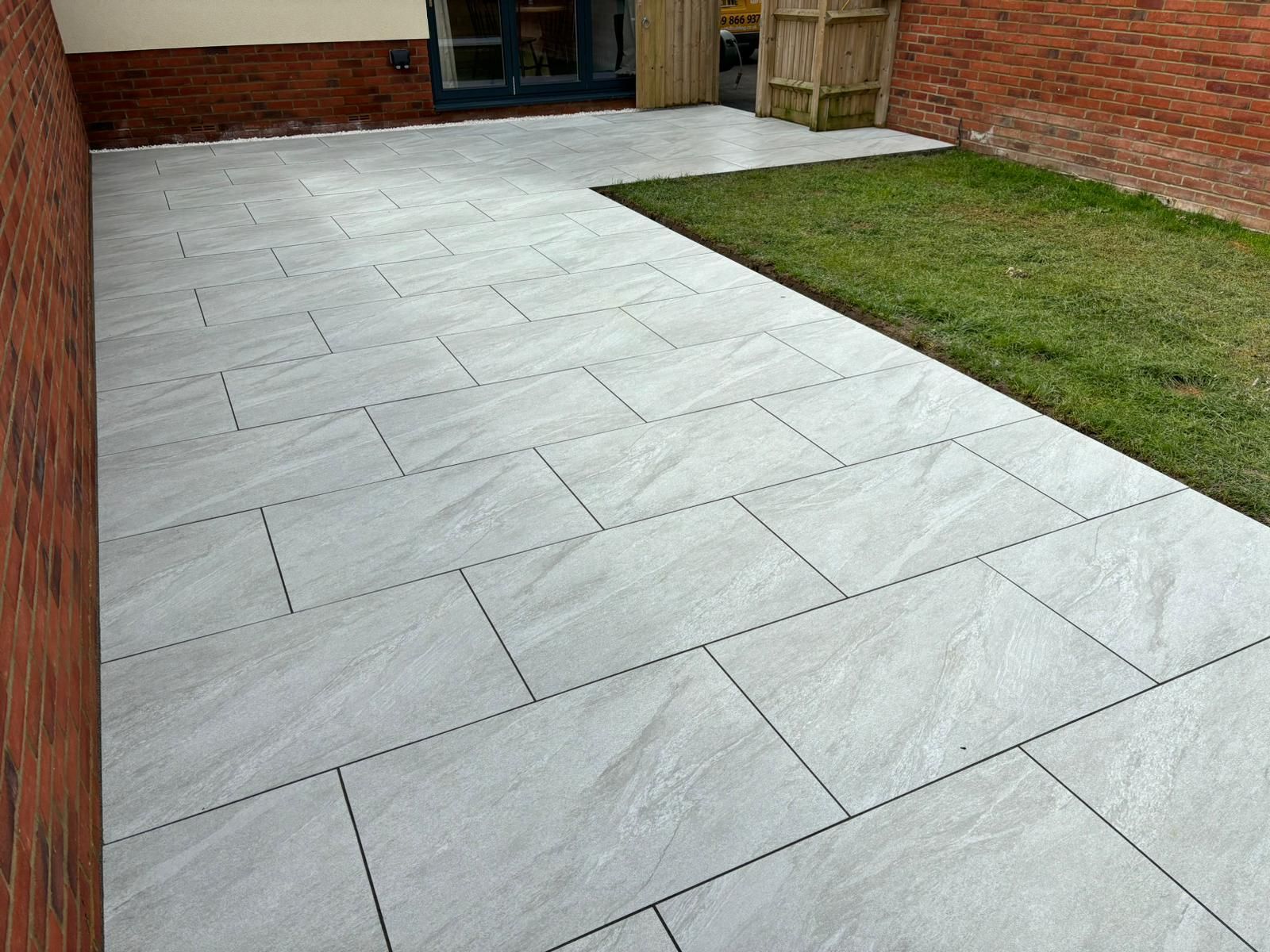
How to Choose the Right Surface for Your Patio
Have a Question About Your Project?
Contact our quoting division for accurate quoting. Get in touch for a free site visit and written quote, no obligation
Bicester: 01869 876084 Thame: 01844 319839