What Does a New Driveway Cost?
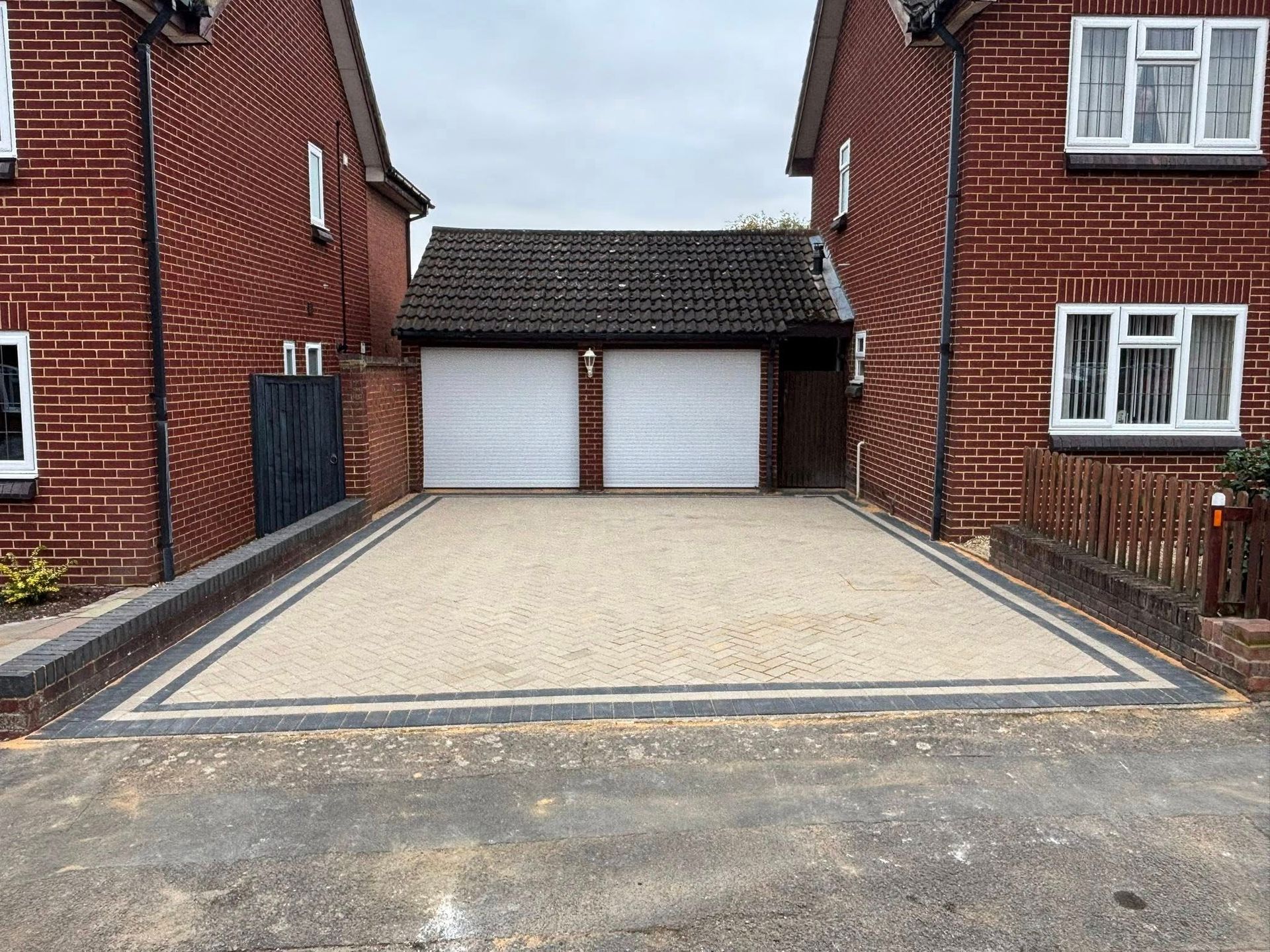
If you’ve started looking into a new driveway, you’ll likely notice that quotes can vary quite a bit.
That’s not unusual. Two driveways that look similar from the outside can involve very different levels of preparation underneath. The final cost depends on factors such as the size of the area, the condition of the existing ground, the materials chosen, and how much work is needed before the new surface can be installed.
Understanding what drives these differences makes it easier to compare quotes properly and avoid unexpected costs later on.
Ground Conditions Make the Biggest Difference
The condition of the existing driveway or ground is one of the main factors affecting cost.
If the base is already stable and suitable, the work is more straightforward. If the existing surface needs to be removed and the ground rebuilt, the project becomes more involved.
In many cases, older driveways require full excavation. This includes removing the existing material, preparing a new sub-base, and compacting it properly to create a solid foundation for the new surface.
We’ve seen this in projects such as a driveway in Ambrosden, where an old concrete surface had begun to break up. Once removed, it became clear the base underneath needed to be rebuilt to ensure the new resin surface would perform correctly long term.
Size and Layout of the Driveway
The overall size of the driveway will naturally affect cost, but layout also plays a role.
A simple, open area is quicker to prepare and install than a driveway with multiple edges, tight spaces, or changes in level. More complex layouts require additional cutting, edging, and time on site.
Access is another factor. If materials and equipment can be brought in easily, the process is more efficient. Limited access can increase labour time and impact overall cost.
Material Choice
The surface you choose also influences pricing.
Resin, block paving, and tarmac all involve different installation methods and levels of preparation. Resin tends to involve more detailed groundwork and finishing, block paving requires individual laying and alignment, while tarmac is generally quicker to install but still depends heavily on a solid base.
Each option has its strengths, and the right choice depends on how the driveway will be used, the style you want, and the existing conditions of the site.
What a Proper Quote Should Include
A clear quote should outline all parts of the job, not just the visible surface.
This includes excavation if required, preparation of the base, materials, installation, and any edging or finishing work. It should also take into account site-specific factors such as drainage and levels.
Transparency is important. A well-prepared quote should explain what is included so you can understand exactly what you are paying for.
At M&C, every quote is carried out after a site visit by James, ensuring the pricing reflects the actual conditions of your property rather than estimates.
Why Price Isn’t the Only Thing to Consider
It can be tempting to focus on the lowest quote, but driveway construction depends heavily on what happens beneath the surface.
If the groundwork is not carried out correctly, issues such as sinking, cracking, or movement can appear over time. These problems are usually linked to insufficient base preparation rather than the surface material itself.
A properly built driveway is designed to last, and the quality of the installation plays a major role in how it performs in the long term.
Related Driveway & Patio Guides
What Does a New Driveway Cost?
Which Driveway Surface Is Right for You?
Do I Need Planning Permission for a New Driveway?
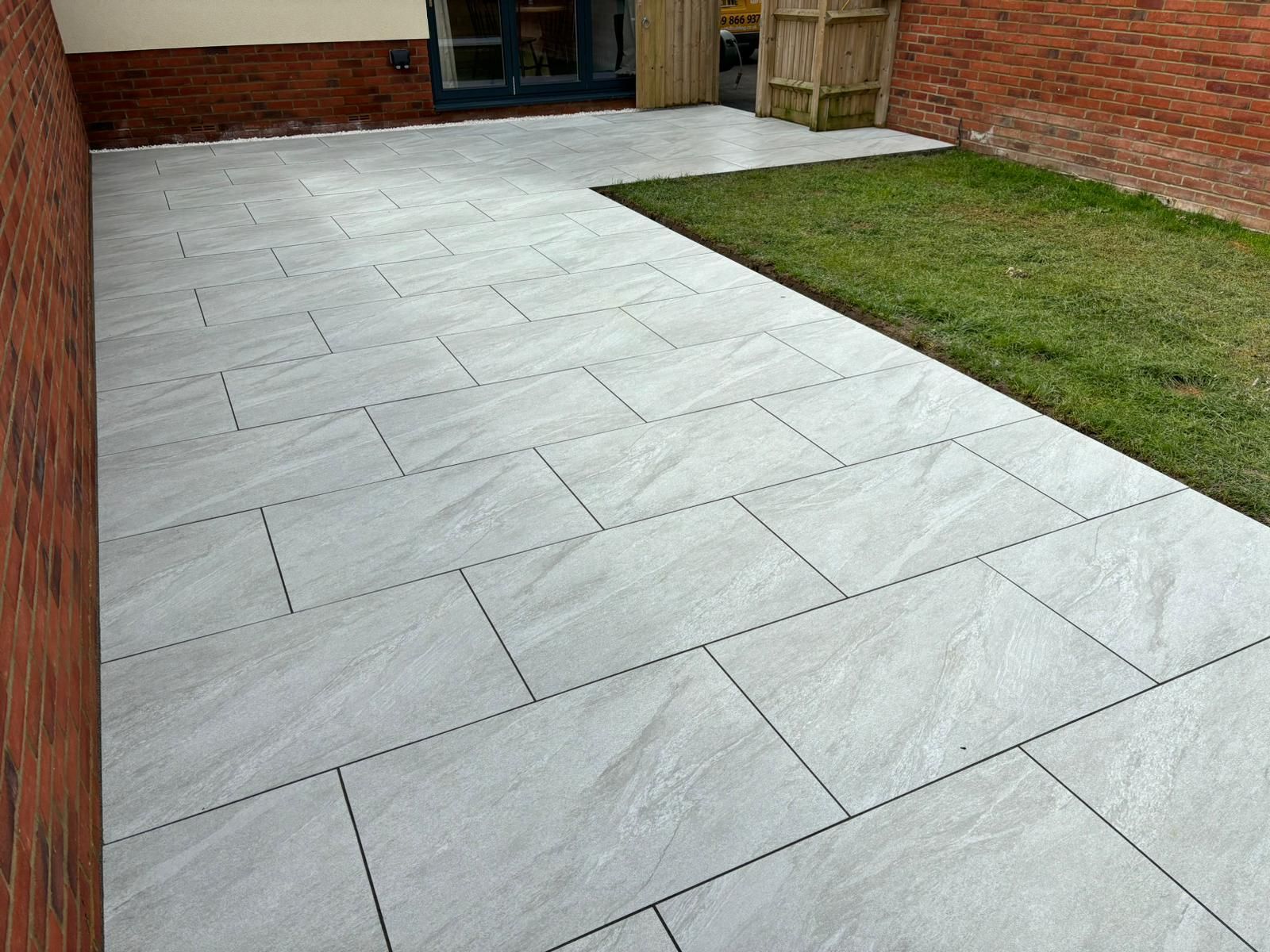
How to Choose the Right Surface for Your Patio
Have a Question About Your Project?
Contact our quoting division for accurate quoting. Get in touch for a free site visit and written quote, no obligation
Bicester: 01869 876084 Thame: 01844 319839