When You Need a Dropped Kerb and Who Approves It
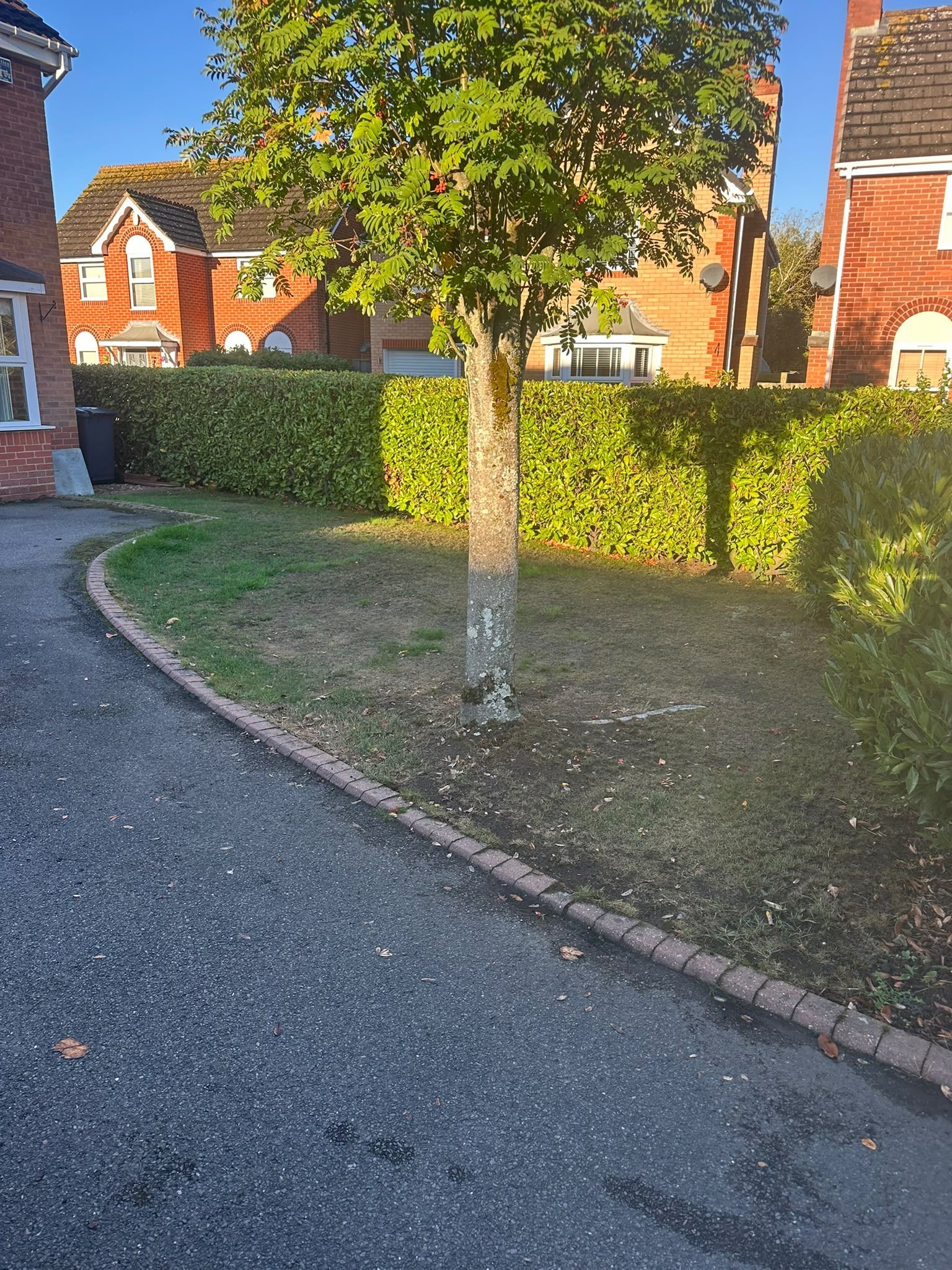
A dropped kerb is the lowered section of kerb that allows a vehicle to cross the pavement from the road onto your property. Without one, driving over a standard kerb is illegal, even if you own the driveway behind it.
You need a dropped kerb if you are creating a new vehicle access point, or if you are widening an existing one. If there is already a dropped kerb in place and it lines up with your new driveway, you may not need a new application. The M&C team will check this when they visit.
Who gives permission? Oxfordshire County Council is the highways authority responsible for approving dropped kerb applications across the county, including in Bicester, Thame, and surrounding areas such as Launton, Ambrosden, and Haddenham. The application goes to them, not to your local district council.
What do they look at? The council assesses whether the proposed access point is safe. They consider visibility from the road, the distance from a junction, and whether the crossing would affect pedestrians or traffic flow. Properties on busy A-roads or near junctions can face more scrutiny.
Who carries out the work? The physical lowering of the kerb is carried out by Oxfordshire County Council or a contractor they appoint. You apply and pay, and they arrange the installation. This is separate from any driveway work a private contractor does on your property.
Planning permission for the driveway itself is a separate matter again. For most standard front garden driveways using a permeable surface, permitted development rules apply and you do not need to apply for planning permission. If you are unsure, our
guides section covers this in more detail.
Typical Costs and What Affects Them in Oxfordshire
Dropped kerb costs in Oxfordshire are set by Oxfordshire County Council and cover their administration, inspection, and the physical works. We do not quote exact figures here because the council reviews its fees periodically, and any number we give could be out of date by the time you read this.
What we can tell you is that the cost typically covers two elements: the application fee and the construction cost. The construction cost varies depending on how many kerb units need to be lowered and replaced, and whether any drainage work is required.
Several factors affect what you will pay.
Length of the crossing. A standard single-car access needs fewer kerb units lowered than a wide double crossing. A wider frontage means more units, and the cost rises accordingly.
Road type and materials. If your property sits on a road with a more complex kerb arrangement, or where the footway has a particular surface, the work takes longer and costs more.
Location on the street. Access points close to junctions or on roads with higher traffic volumes sometimes require additional safety measures. This adds to the overall cost.
Whether a build-out is needed. Some properties need a small extension of the footway to make the crossing work safely. This is less common but does affect cost when it applies.
As a rough guide, homeowners across Oxfordshire typically budget somewhere between £1,000 and £3,000 for a dropped kerb, though this range is wide because every situation is different. The council's current schedule of charges is the only reliable source for exact figures, and we always recommend checking directly with them before planning your budget.
The application itself takes time. Oxfordshire County Council typically takes several weeks to process an application and schedule the works. If you are planning a new driveway, factor this in early. Starting the application before the driveway is installed means you are not left waiting to use a driveway you have already paid for.
How a Dropped Kerb Fits Into a Full Driveway Project
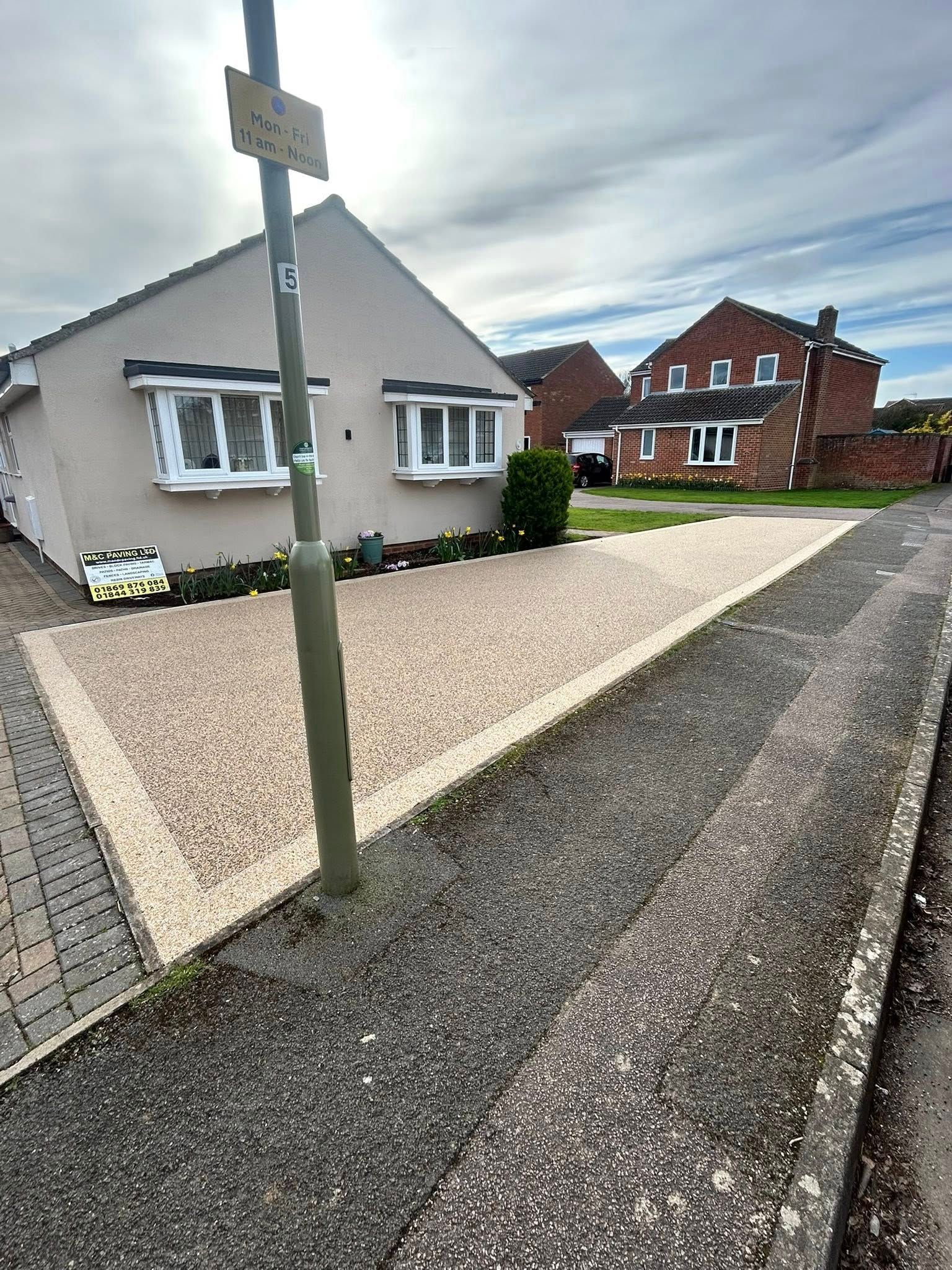
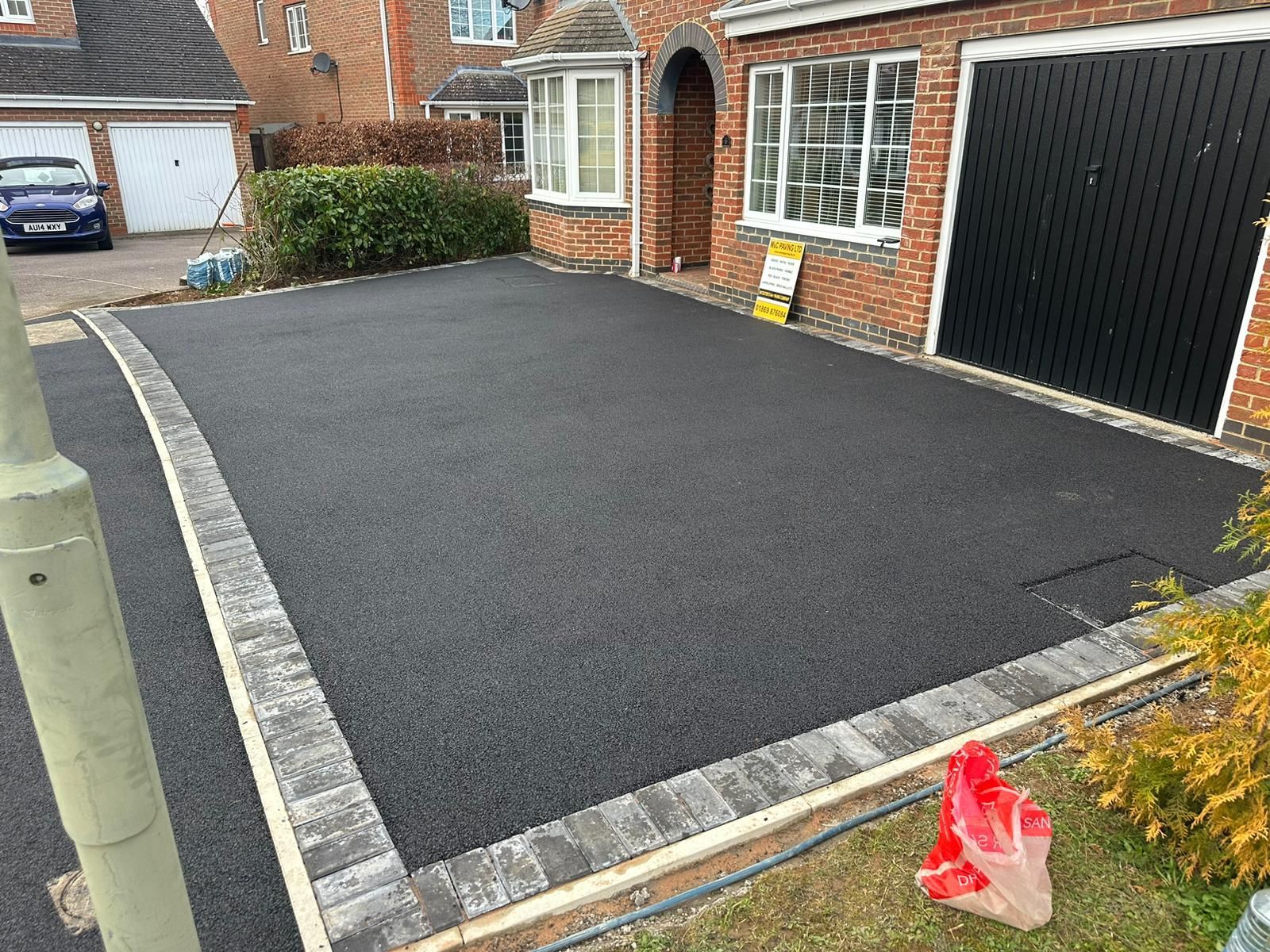
A dropped kerb and a new driveway are two separate pieces of work, but they need to be planned together. The driveway needs to be at the right level to meet the dropped kerb, and the crossing needs to be in the right position to align with the driveway layout.
The M&C team has been installing driveways across Oxfordshire for over 30 years. In that time, we have seen what happens when the two elements are not coordinated. The kerb ends up in the wrong place, or the driveway gradient does not work with the crossing, and the whole thing needs adjusting. Planning both together avoids this.
We work with homeowners at the start of the project to check whether a dropped kerb application is needed, advise on timing, and make sure the driveway design accounts for the crossing position. We do not handle the council application on your behalf, but we will make sure our work fits with it.
Typical driveway projects we work on in Bicester and Thame range from compact single-car frontages to wider double driveways, and the dropped kerb position is planned as part of the overall layout from day one. Whether you are looking at a
driveways in Bicester installation or a project further afield in the Oxfordshire villages, the process is the same.
We are a family-run business with our own team on every job, and every driveway we install comes with our 10-Year M&C Workmanship Guarantee. Our TrustATrader rating of 4.92 stars from over 470 reviews reflects the care we put into every project.
If you are ready to plan your new driveway and want to understand how the dropped kerb fits in, get in touch with the M&C team for a free, no-obligation quote. Use the
contact form on our website, or call our Bicester office on
01869 876084 or our Thame office on
01844 319839.