How a Gravel Driveway Is Built, and Why the Base and Edging Matter
A gravel driveway is not simply a layer of stone tipped onto soil. A properly installed driveway starts well below the surface.
Excavation and sub-base come first. The existing ground is dug out to the right depth, typically around 150mm to 200mm depending on the site conditions. A compacted sub-base of MOT Type 1 hardcore is then laid and compacted. This is what gives the finished surface its stability and prevents the kind of rutting and sinking that poorly built gravel driveways are known for.
Membrane goes down next. A permeable geotextile membrane sits between the sub-base and the gravel. It stops weeds pushing through from below while still allowing rainwater to drain away naturally. This matters in areas like Ambrosden and Chinnor, where some plots sit on heavier clay soils that need good drainage management.
Edging is where many gravel driveways go wrong. Without a solid edge, gravel migrates onto lawns, flowerbeds, and the road. The M&C team installs proper edging restraints, whether that is a steel edge, a concrete kerb, or a brick soldier course, to keep the stone exactly where it should be. The choice of edging can also contribute to the overall look of the finished driveway, so it is worth thinking about early in the design process.
Gravel depth and type round off the installation. A depth of around 50mm is typical for the wearing course. The stone itself varies: self-binding gravel compacts into a firm surface that is easy to walk on; loose decorative gravel in golden or slate tones gives a more traditional country look. The M&C team will talk through the options with you and advise on what works best for your property and how you use the driveway.
Costs, Looks, and the Upkeep to Expect
What a gravel driveway costs
Gravel is generally the most affordable of the professionally installed driveway surfaces. For a typical residential driveway in Bicester or Thame, expect to pay somewhere in the range of £40 to £70 per square metre for a fully installed, properly built gravel driveway. That figure covers excavation, sub-base, membrane, edging, and the gravel itself.
The exact price depends on the size of the driveway, the access to the site, the edging type you choose, and any groundworks complications. A longer rural plot in a village like Launton will be priced differently to a compact town driveway in central Thame. The M&C team provides fixed quotes with no hidden costs, so you know exactly what you are paying before any work begins.
How gravel driveways look
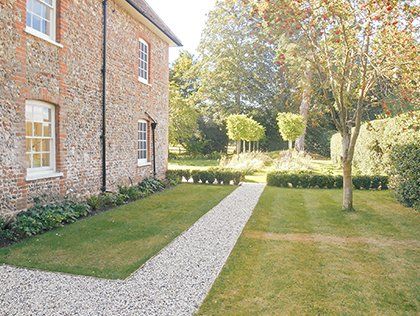
Gravel has a natural, unfussy appearance that suits a wide range of properties. Cotswold buff tones complement the stone and brick found across many Oxfordshire villages. Darker slate gravel can give a more contemporary edge to a modern home. Self-binding gravel, which compacts to a firm, sandy finish, suits properties where a cleaner look is preferred without moving to block paving or resin.
The finished result depends on the gravel type, the edging, and how the driveway is shaped. The M&C team can talk through what will work best for your home and the surrounding garden.
What upkeep to expect
Gravel is low maintenance, but it is not zero maintenance. A few things are worth knowing before you commit.
Top-ups. Over time, gravel thins out through displacement and some natural loss. Most homeowners find they need a light top-up every few years to keep the depth consistent and the surface looking fresh.
Raking. Loose gravel can spread unevenly with regular use, particularly near the entrance and any turning areas. A quick rake every few weeks keeps it tidy. Self-binding gravel needs this less, as it compacts and holds its shape better.
Weeds. The membrane beneath the gravel does most of the work, but occasional surface weeds can still appear. A spot treatment once or twice a year is usually enough to keep them under control.
Gravel tracking. Some gravel will be carried on tyres or shoes onto the road or path. This is more noticeable on loose decorative gravel than on self-binding. A small gravel trap or grating at the entrance point can help reduce it.
None of this is onerous. Compared to the maintenance demands of other surfaces, gravel remains one of the simpler options over the long term.
Where Gravel Works Best, and How to Book a Quote
Gravel suits longer driveways particularly well. The cost per square metre is lower than block paving or resin, so the savings on a 20-metre or 30-metre rural plot are significant. It also works well where planning restrictions or drainage requirements favour a permeable surface.
Properties in Haddenham, Chinnor, and the villages around Bicester and Thame often have the kind of plot where gravel is a natural fit: a longer approach, mature hedging on either side, and a traditional property style that suits a natural surface.
The
M&C team has been working across Oxfordshire for over 30 years. Every job is carried out by our own team, not subcontractors, and every installation is backed by the 10-Year M&C Workmanship Guarantee. You can see examples of completed driveways in the
projects gallery.
If you are based in Bicester or the surrounding villages, the
driveways Bicester page has more detail on what the M&C team installs in that area. If you are closer to Thame or the villages to the south, the
driveways Thame page covers the same ground for that side of Oxfordshire.
To get a free, no-obligation quote for your gravel driveway, visit the
contact page, call the Bicester office on 01869 876084, or call the Thame office on 01844 319839.