How the Four Surfaces Compare on Looks, Cost, and Lifespan
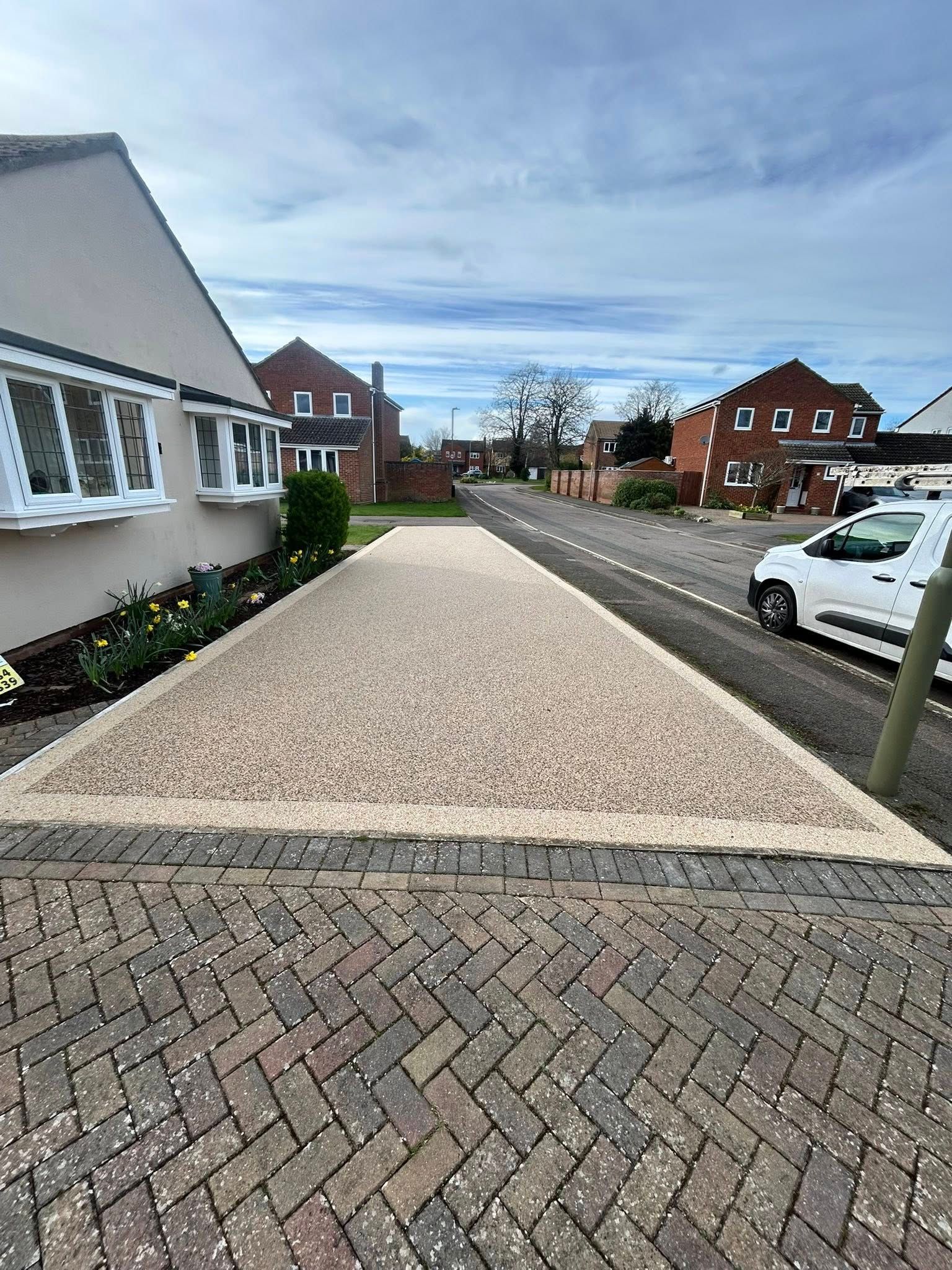
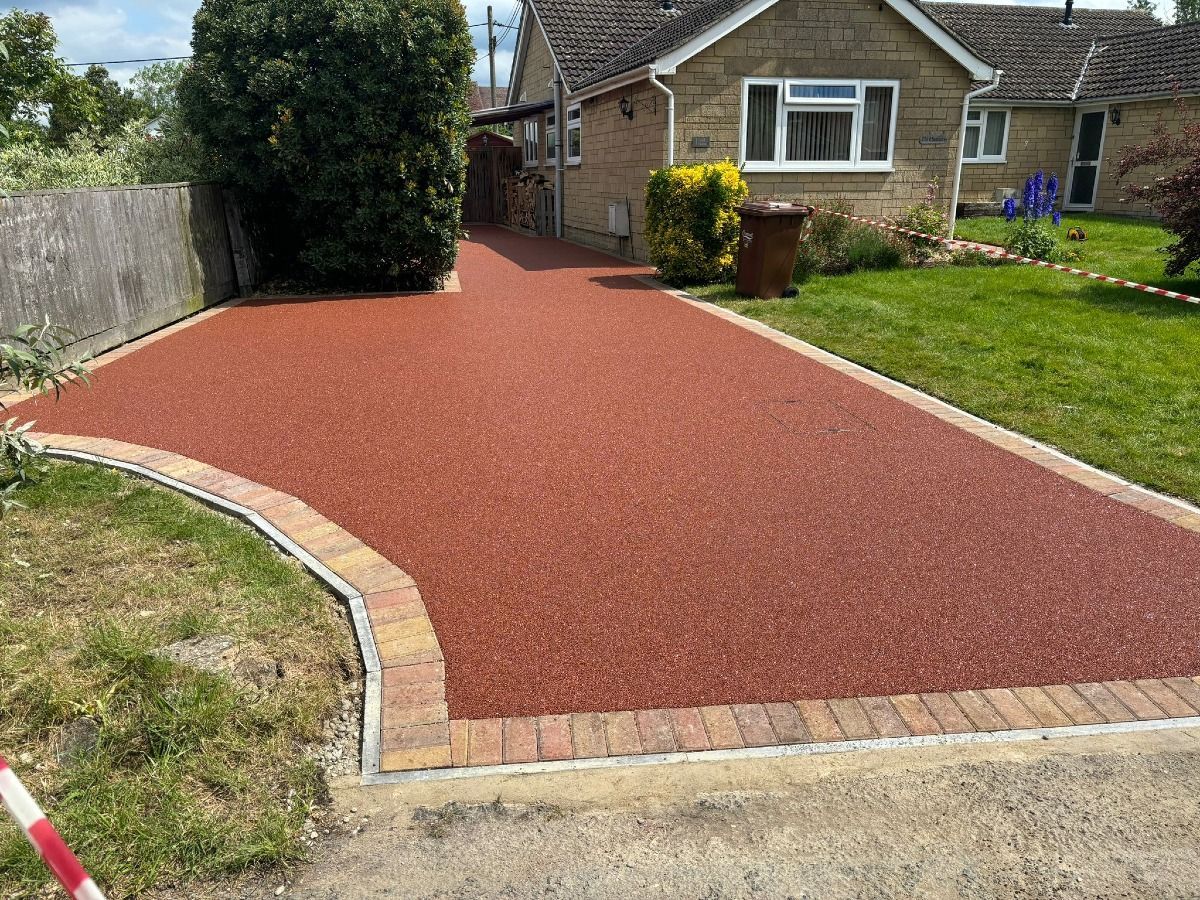
Resin gives you a smooth, clean finish in a wide range of colours and aggregate blends. It sits at the higher end of the budget range, but it is low maintenance, fully permeable, and can last 20 to 25 years with a good installation. It also meets SUDS drainage regulations, which matters if you are laying a new driveway in a front garden.
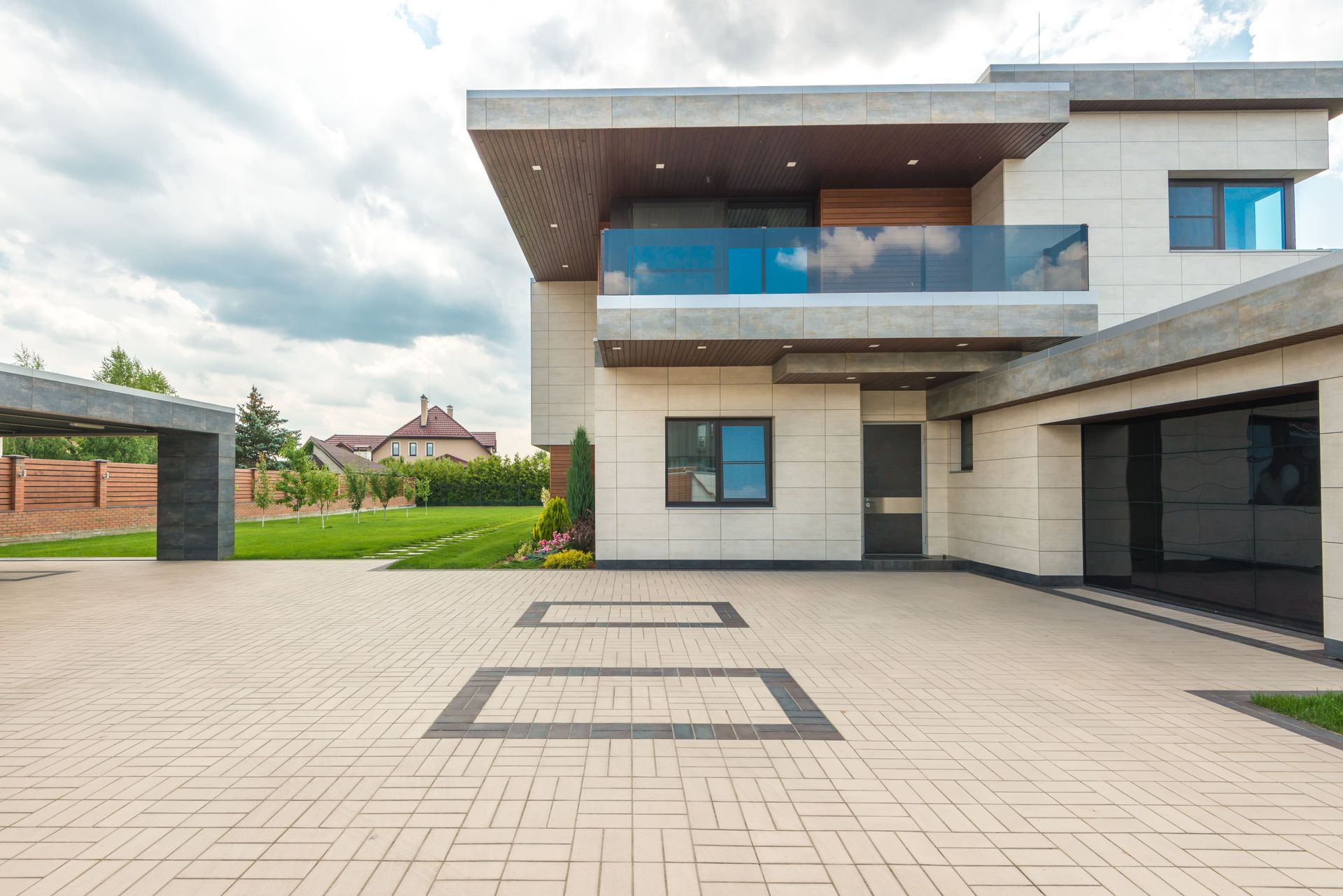
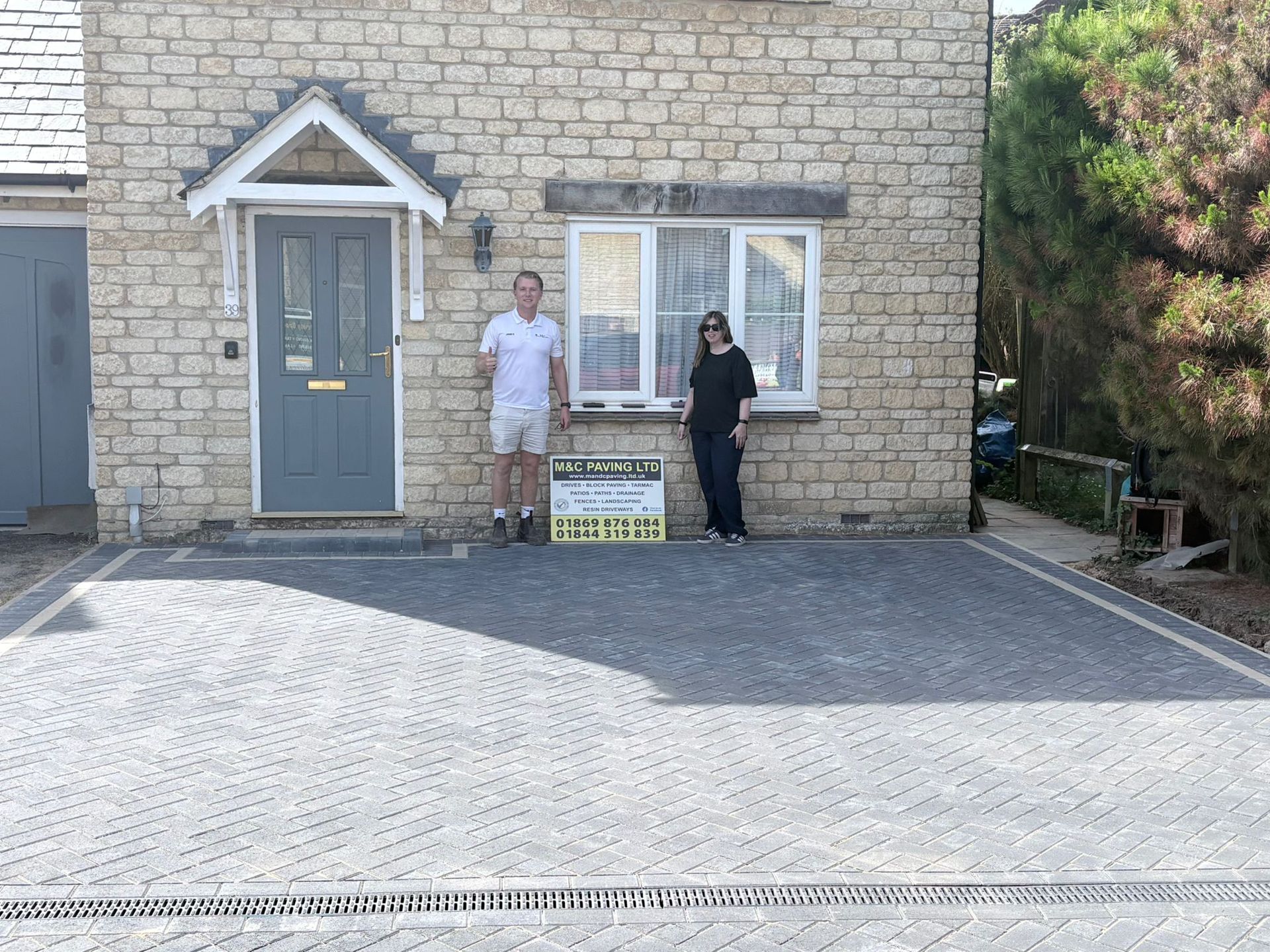
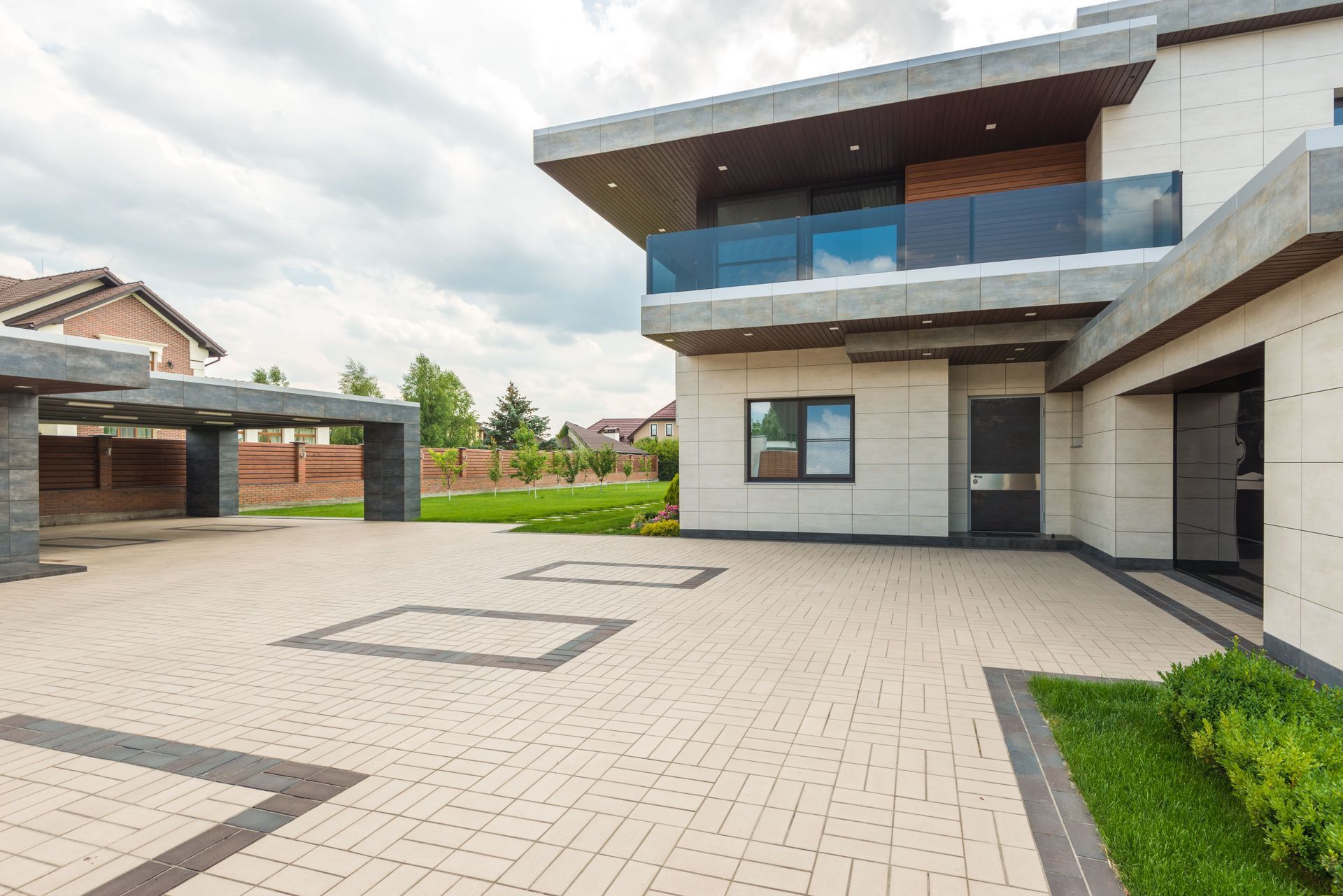
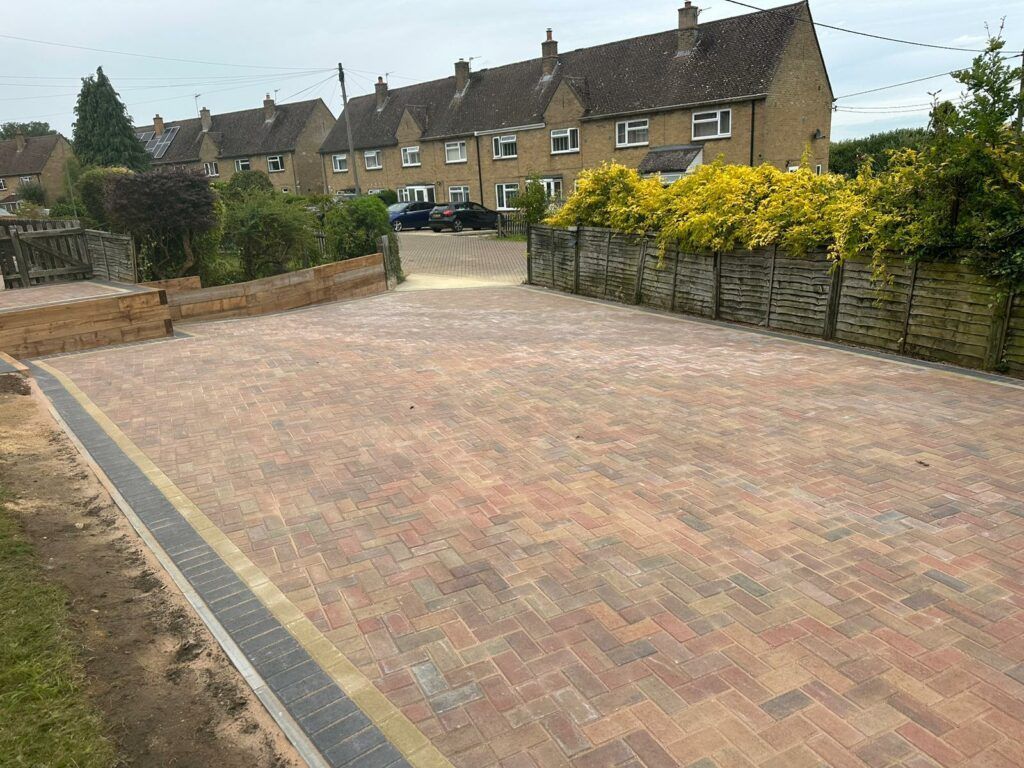
Block paving is the most flexible surface in terms of design. You can mix colours, lay different patterns, and create borders or feature details that suit the character of your house. It costs more than tarmac or gravel but less than most resin installs. Individual blocks can be lifted and relaid if you ever need to access pipes or cables underneath, which is a practical advantage many homeowners do not think about until they need it. A well-installed block paved driveway will last 20 years or more.
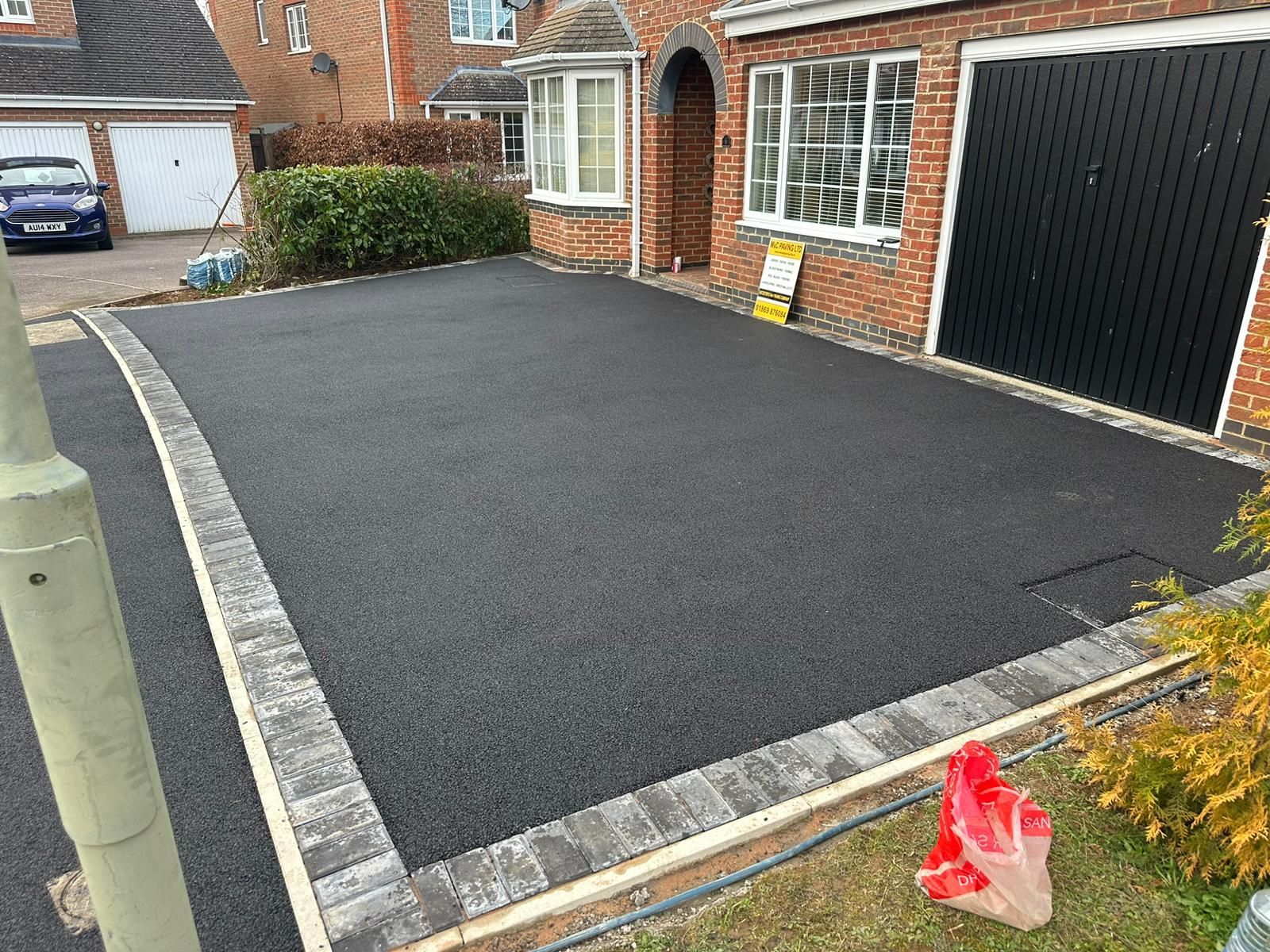
Tarmac is the most cost-effective hard surface. It goes down quickly, handles heavy use well, and lasts around 20 to 30 years when it is laid correctly. The finish is plain, and colour options are limited, but it is a solid, reliable choice if budget is the main factor. Some homeowners in Bicester and across Oxfordshire choose tarmac for a rear or side driveway and use a more decorative surface at the front.
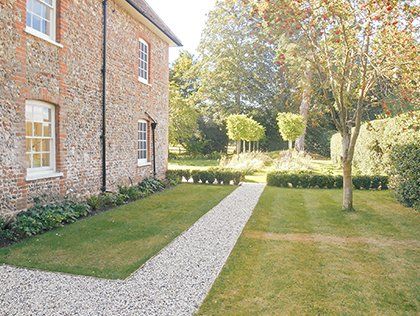
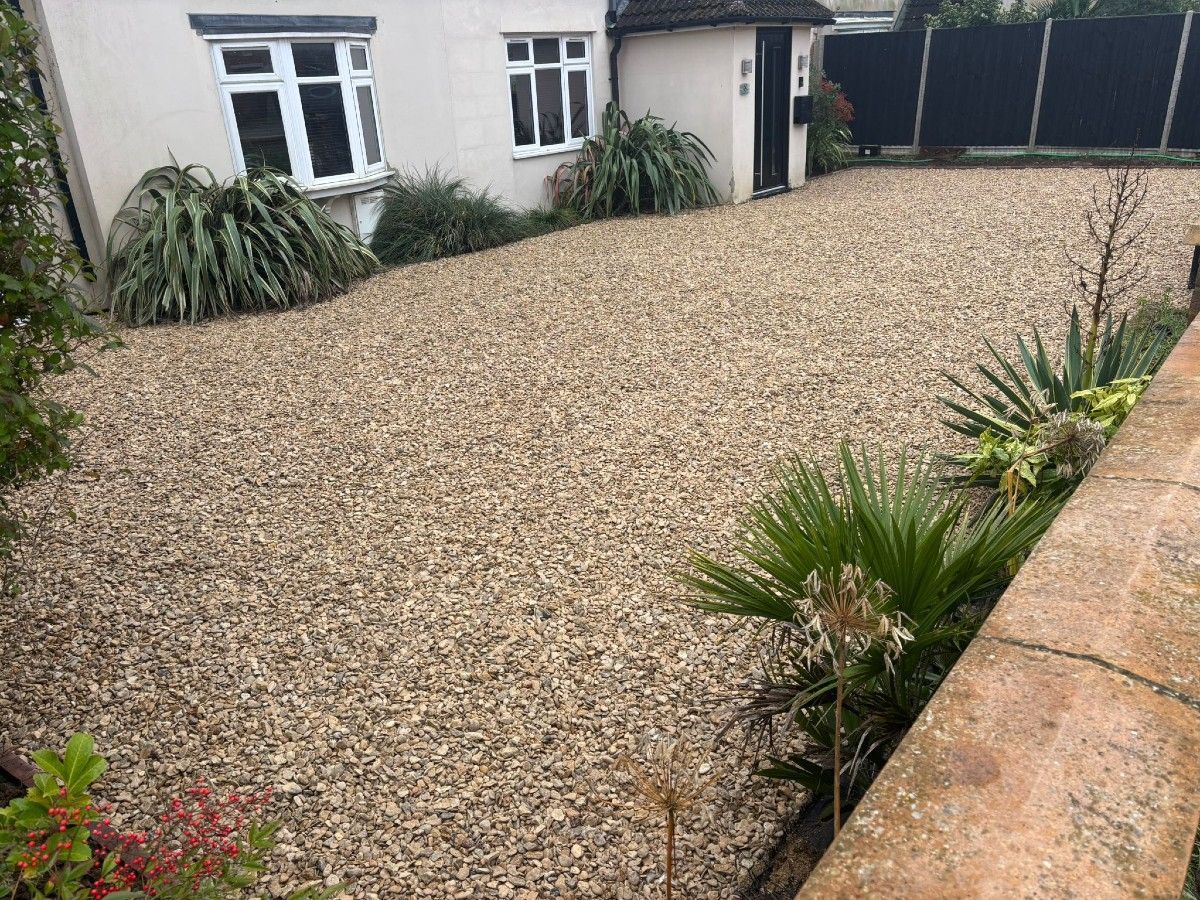
Gravel is the lowest-cost option and one of the quickest to install. It drains naturally, which suits the clay-heavy soils found across much of Oxfordshire. It does need more upkeep than hard surfaces, mainly raking and occasional topping up. Gravel also acts as a natural deterrent, since the noise underfoot makes it harder for anyone to approach the house quietly. For larger plots in villages around Thame or Bicester, gravel can be a very practical and cost-effective choice.
Which Surface Suits Which Kind of Oxfordshire Home
The surface that works best for your driveway depends on more than just appearance.
Older and period properties often suit block paving or gravel. Both complement traditional architecture without looking out of place. Resin can work too, particularly in neutral tones, but the look needs careful thought on a stone-fronted or brick-built cottage.
Modern and new-build homes tend to suit resin or block paving well. Clean lines, contemporary colours, and a low-maintenance finish are priorities for many homeowners on newer developments in Kingsmere, Bicester, or the expanding villages around Thame.
Larger plots and rural homes are often a good match for gravel. A long country driveway in a village outside Bicester or Haddenham can cover a lot of square meterage, and gravel keeps the cost manageable while looking natural in a rural setting.
Tight urban driveways with limited space suit hard surfaces. Resin and block paving both give you a clean edge-to-edge finish with no loose material to sweep off the pavement. If you are parking on a short driveway in a terrace or semi-detached property, either of those surfaces will serve you well.
Budget matters too. A typical driveway in Oxfordshire runs to somewhere between 40 and 80 square metres, and the surface choice can make a significant difference to the overall cost. The M&C team will always give you a fixed quote with no hidden costs, so you know the full figure before any work starts.
How a Proper Installation Protects Whichever You Choose
The surface you choose matters. The installation matters more.
Every driveway the
M&C team lays starts with the sub-base. This is the layer of compacted hardcore beneath the surface, and it is what determines whether your driveway stays flat and stable for years or starts to move and crack within a few seasons. Oxfordshire's clay soil is prone to movement, particularly after wet winters and dry summers. A correctly prepared sub-base compensates for that.
Drainage is the other factor that catches people out. A resin surface is permeable by design. Block paving needs to be laid to fall correctly so water runs to the right place. Gravel drains naturally. Tarmac needs proper edge restraints and falls. Getting this wrong leads to pooling water, which causes damage over time and can create problems under the Highways Act if water runs off your driveway onto the public road.
The M&C team has been installing driveways across Bicester, Thame, and the surrounding Oxfordshire villages for over 30 years. Every job is done by our own team, not subcontractors. That consistency is why the workmanship guarantee runs to ten years and why the business carries over
470 reviews on TrustATrader at 4.92 stars.
A driveway is not a short-term purchase. Getting the prep and installation right at the start means you will not be revisiting the problem in five years.
If you want to see what each surface looks like in practice before you decide, the
driveways Bicester page gives a good overview. You can also look at the
resin driveways and
block paving driveways pages for more detail on those two surfaces specifically.
When you are ready to talk through your options, get in touch for a free, no-obligation quote. Call the
Bicester team on
01869 876084 or the
Thame team
on 01844 319839, or use the
contact and free quote form to tell us about your project.