If your driveway is looking tired, the good news is there are more options than most homeowners realise.
A new driveway does more than give you somewhere to park. It changes the whole feel of the front of your home. The right surface and layout can add real kerb appeal, improve drainage, and make daily life a little easier. This guide runs through the main surface options, some practical layout ideas, and how to move from thinking about it to getting it done.
Driveway Surface Options and the Look Each One Gives
The surface you choose sets the tone for everything else. Each material has its own character, and the right choice depends on your home, your garden, and how you want the finished result to look.
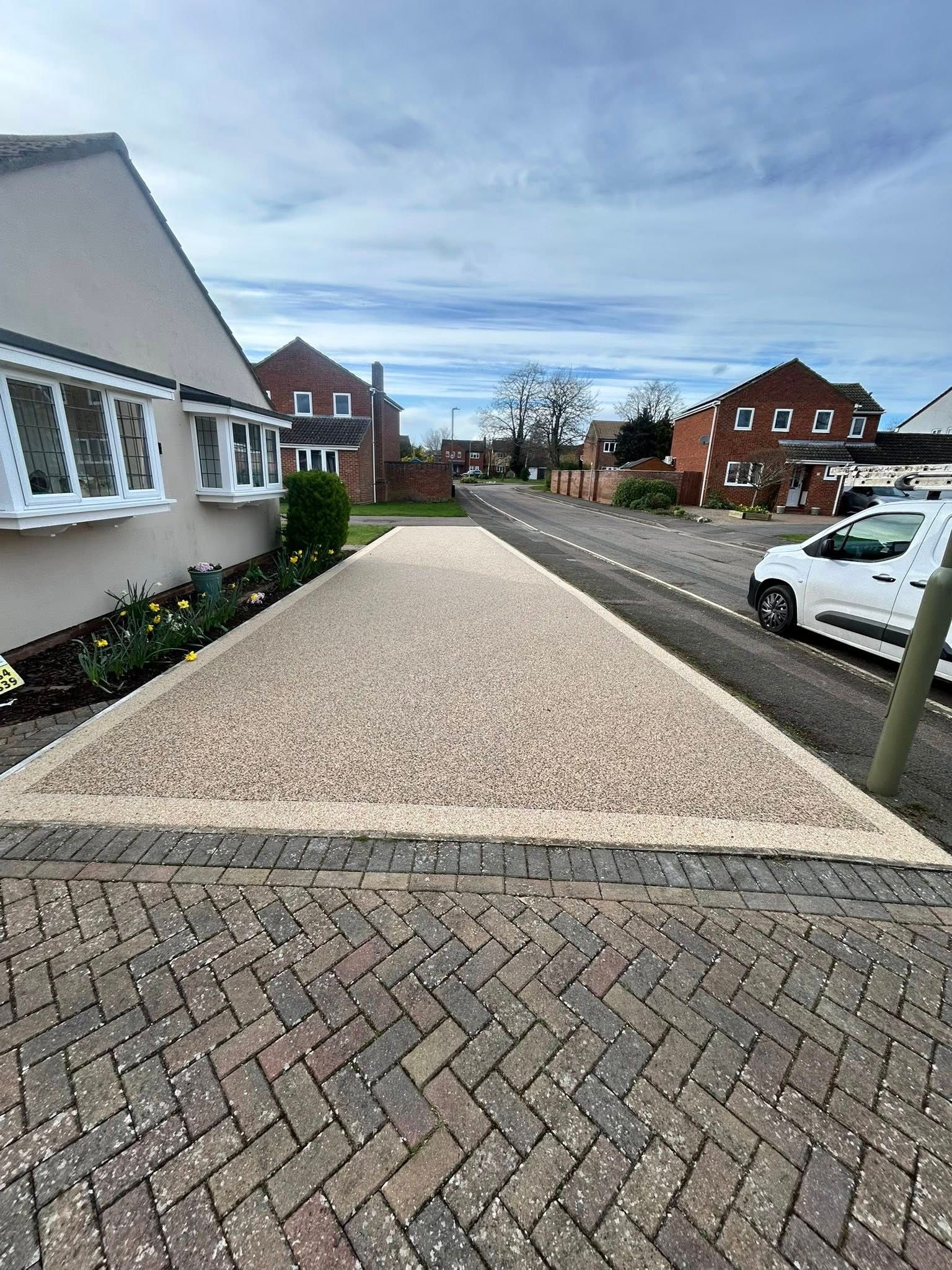
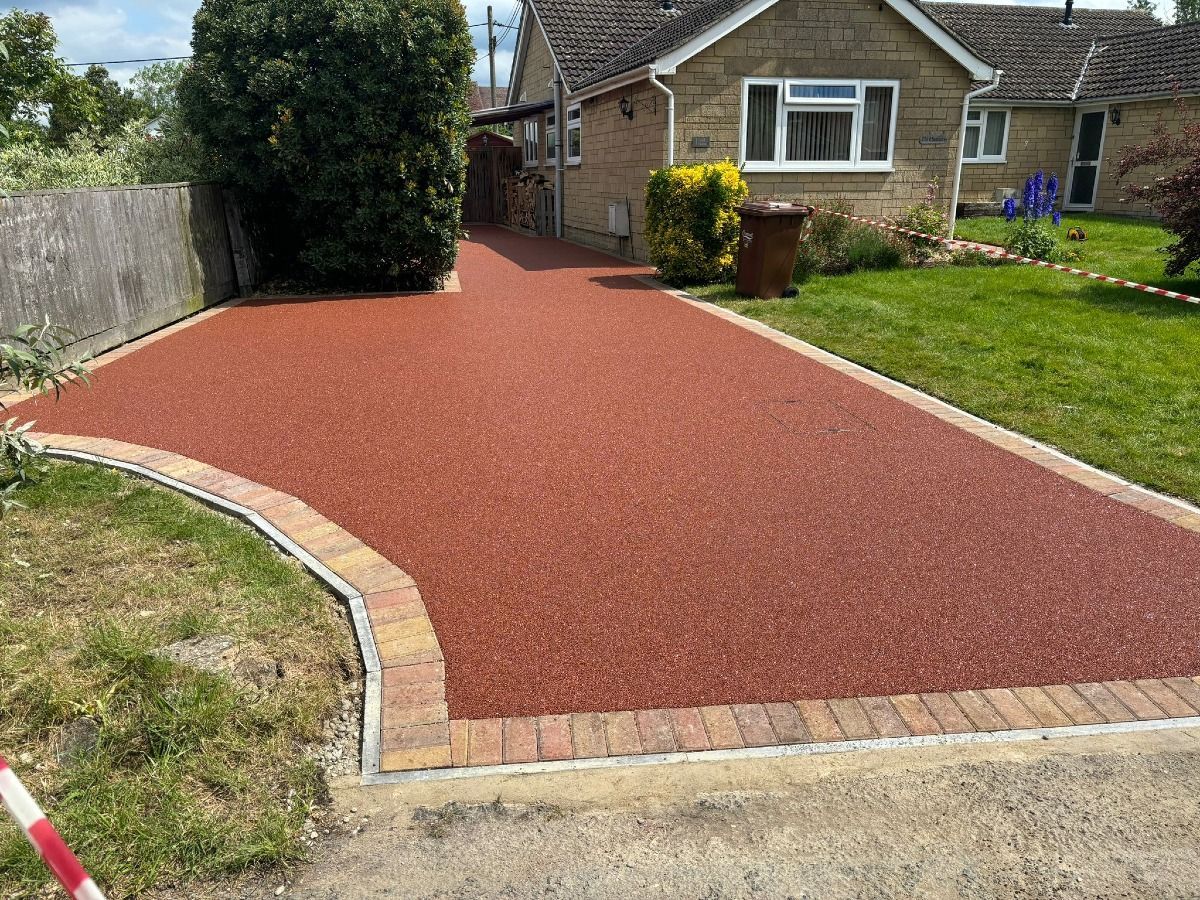
Resin bound. Resin bound gravel has become one of the most popular choices for Oxfordshire homes over the last decade. It gives a smooth, consistent finish in a wide range of colours and aggregate blends. The surface is permeable, so rainwater drains through rather than pooling or running off, which matters in areas that see heavy rainfall in autumn and winter. It suits both traditional stone-built properties and newer builds equally well.
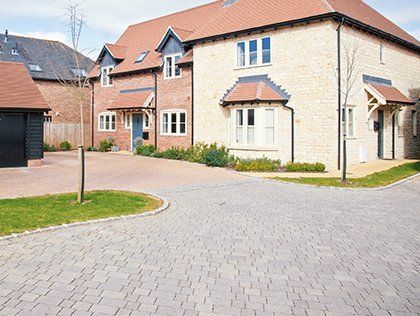
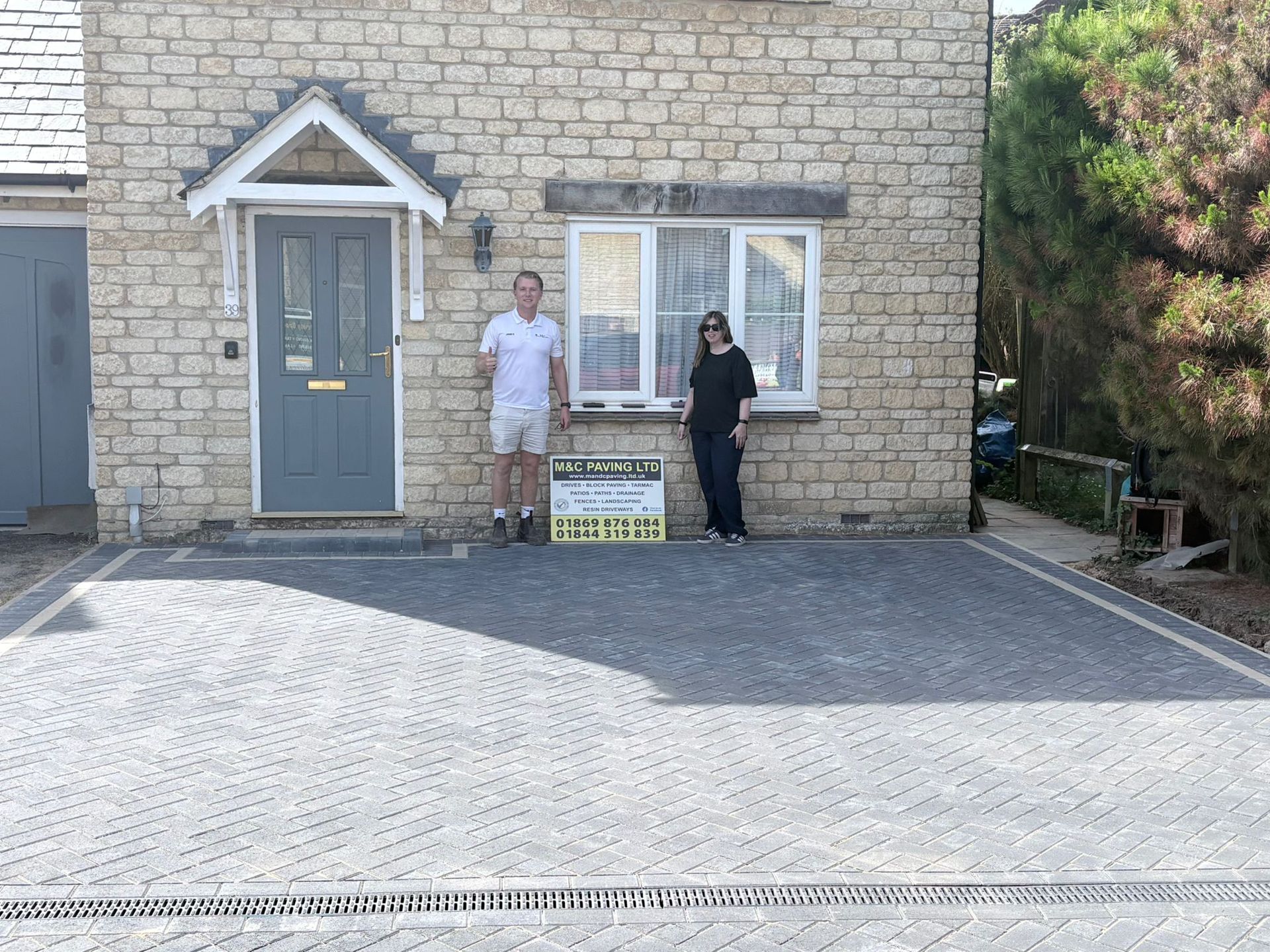
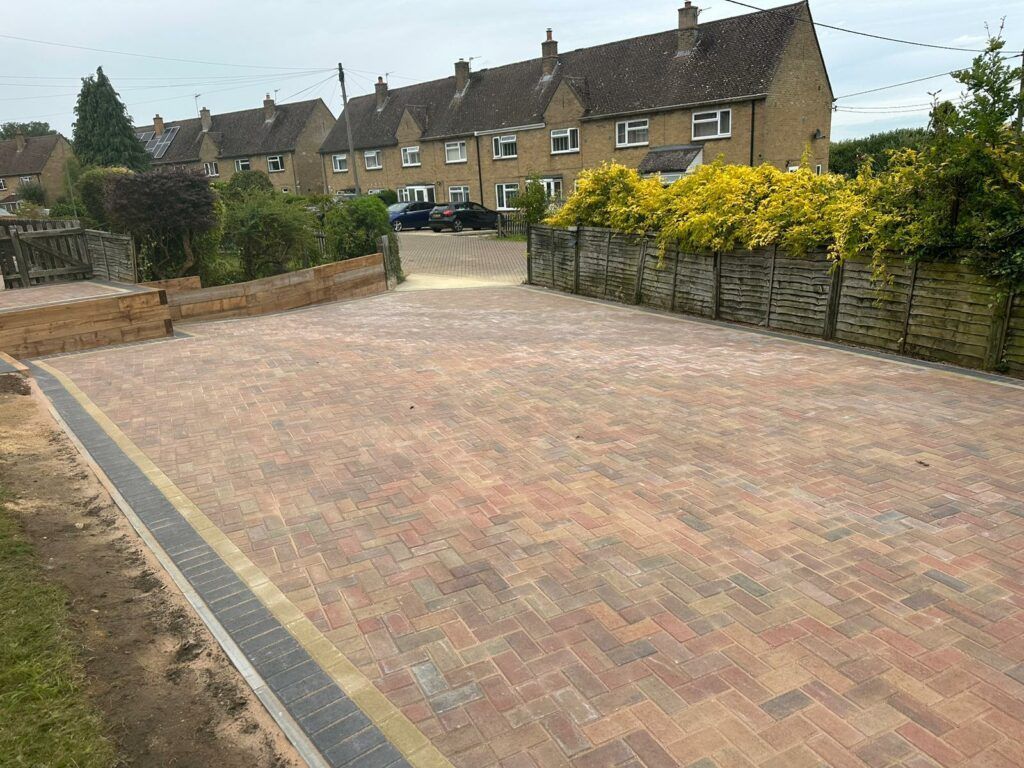
Block paving. Block paving offers a more structured, geometric look. You can choose from a range of colours, shapes, and laying patterns, including herringbone, stretcher bond, and basket weave. It works well on larger driveways where the pattern has room to make an impression. Block paving is a strong choice for homes in villages like Launton, Ambrosden, and Haddenham, where front gardens often sit behind low walls or hedgerows and a neat, defined finish suits the setting.
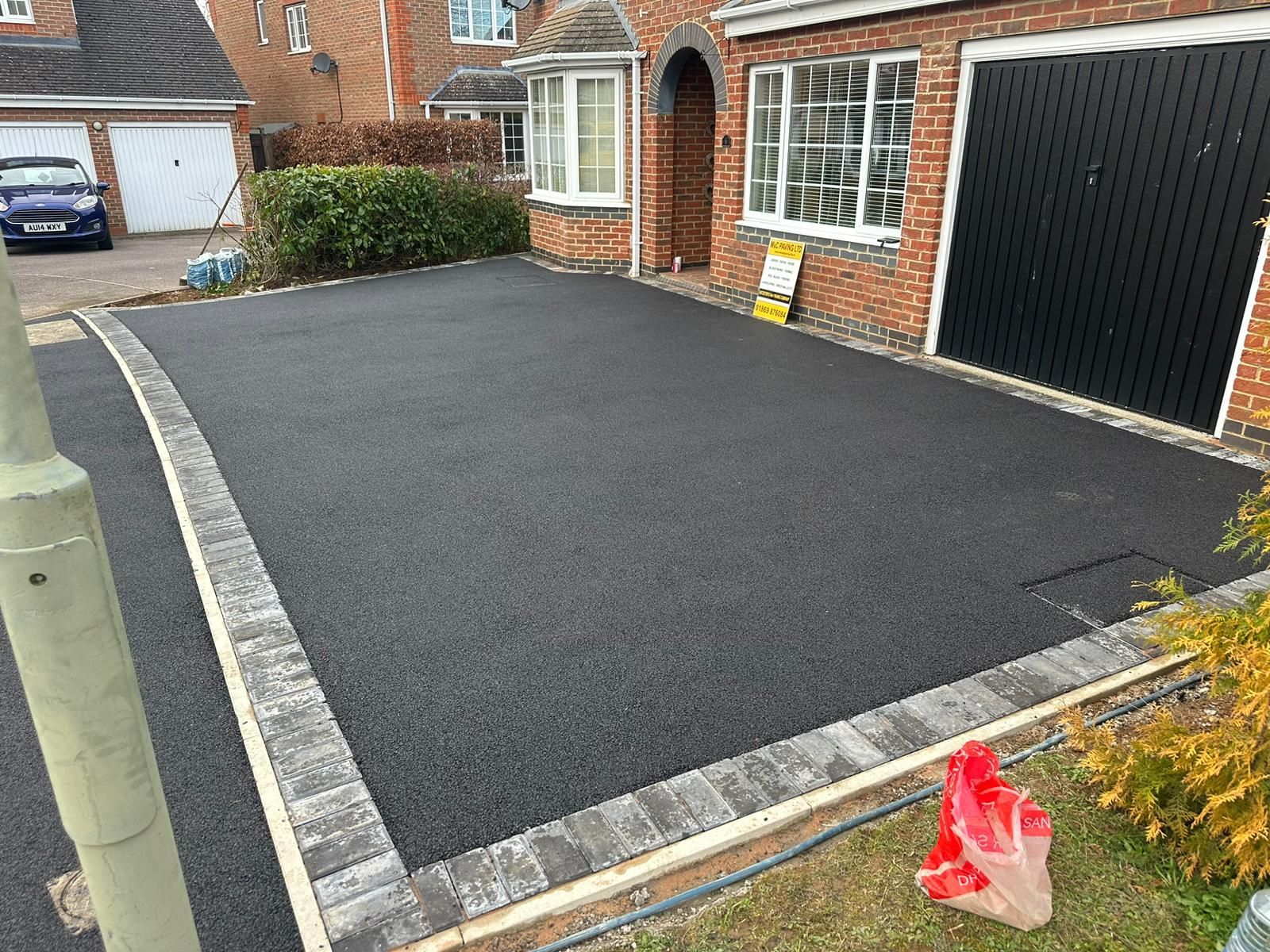
Tarmac. Tarmac is a practical, long-lasting surface that costs less upfront than resin or block paving. It gives a clean, uncluttered look that suits a wide range of property types. Many homeowners in Bicester and the surrounding area choose tarmac for larger driveways where covering a significant area efficiently is the priority. It can be finished with a decorative border in block paving or a resin bound edging if you want a smarter appearance.
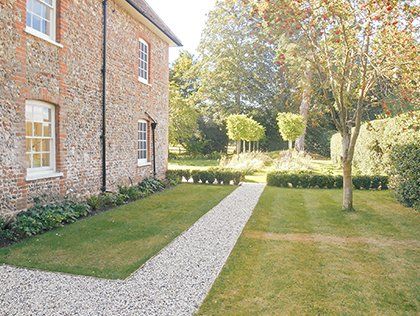
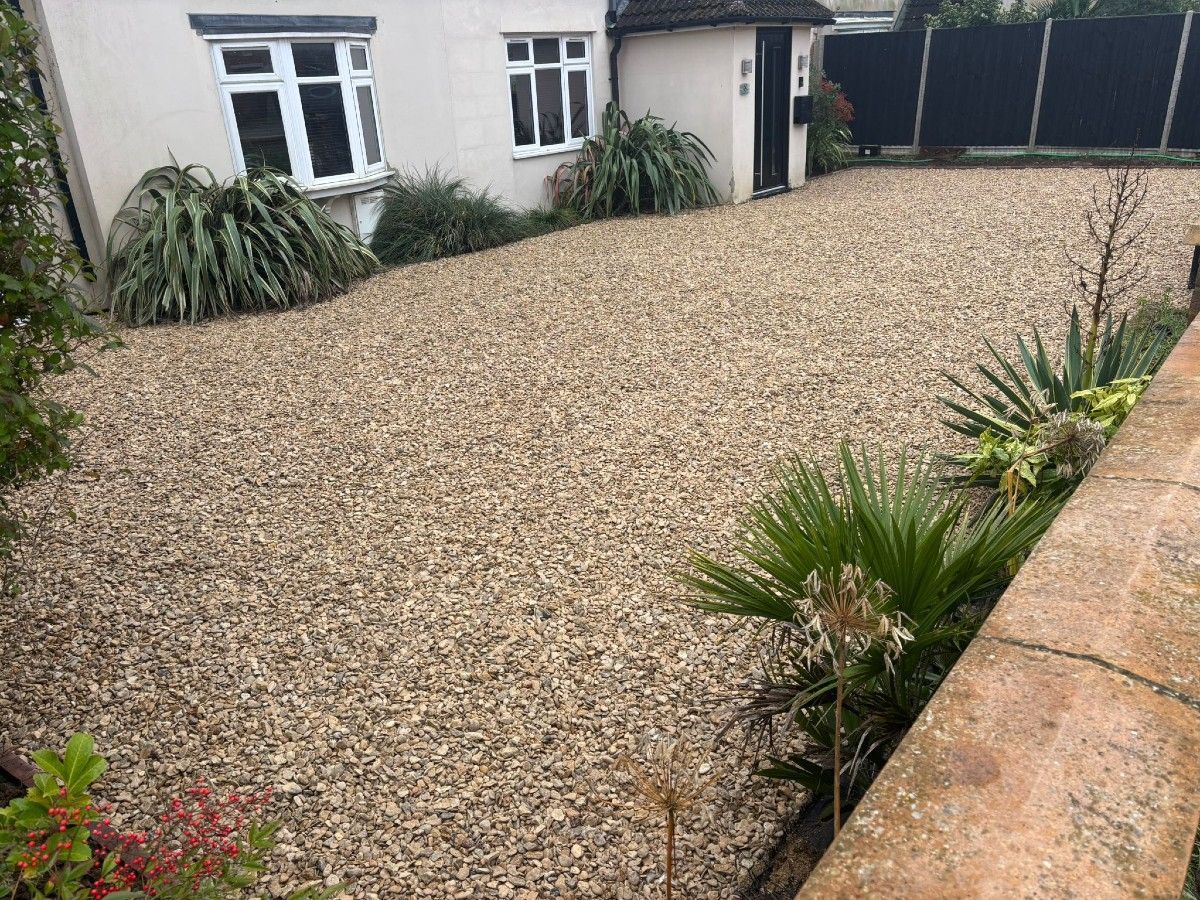
Gravel. Loose gravel is one of the most cost-effective options and suits rural and semi-rural settings well. It drains naturally and creates a classic look that fits comfortably with older Oxfordshire properties. The main practical consideration is containment. A properly installed edging keeps the gravel in place and stops it spreading onto lawns or pathways.
Layout Ideas for Oxfordshire Front Gardens
The surface is only part of the picture. How the driveway is laid out, what shape it takes, and how it sits within the front garden all affect the finished result.
Single straight driveways. Most homes in Bicester and Thame have a straightforward plot with a single access point from the road. A single straight driveway is the most common layout, and it works well when the width allows for one or two cars side by side. Getting the width right matters. A driveway that feels cramped to park on is frustrating to use every day.
Wider driveways with turning space. On larger plots, adding a turning area at the top of the driveway means you can pull out onto the road facing forward. This is particularly useful on busier roads. Homes in villages around Thame, including Chinnor and Haddenham, often have the space to accommodate this kind of layout, and it makes a real difference to how the driveway functions day to day.
Driveways with planting borders. A driveway does not have to cover every square metre of the front garden. Leaving a strip along one or both sides for low planting, gravel borders, or a lawn edge softens the overall look and keeps some greenery in the front garden. This is a popular choice for homeowners who want a practical surface but do not want the front of the house to feel entirely paved over.
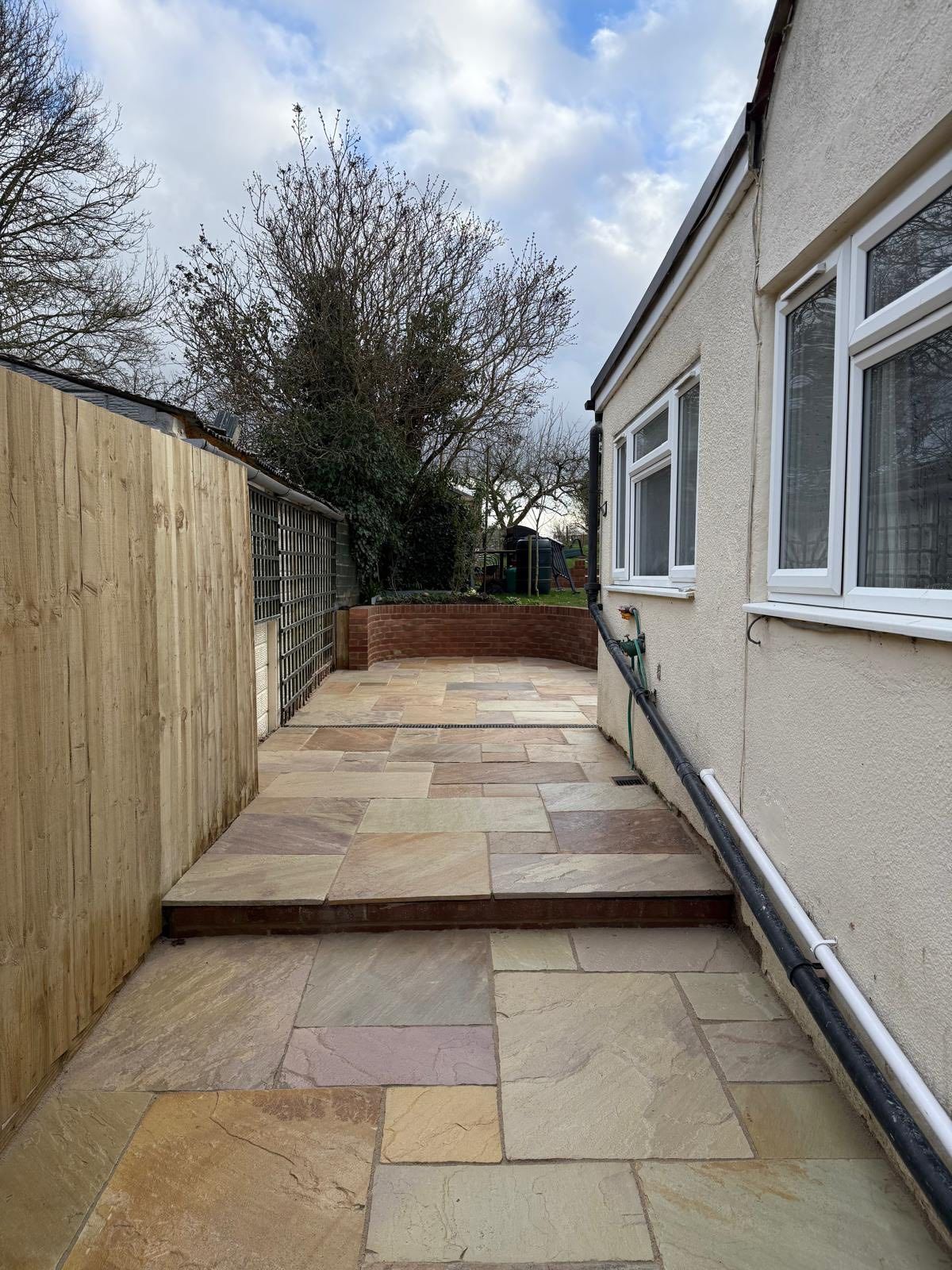
Split-level and stepped approaches. Some Oxfordshire properties, particularly older homes on sloped plots, need a driveway that manages a change in level. This might mean a gentle slope with a drainage channel, or a stepped approach where part of the front garden sits higher than the road. Getting the levels right from the start is important. Poor drainage or an uneven surface will cause problems within a few years.
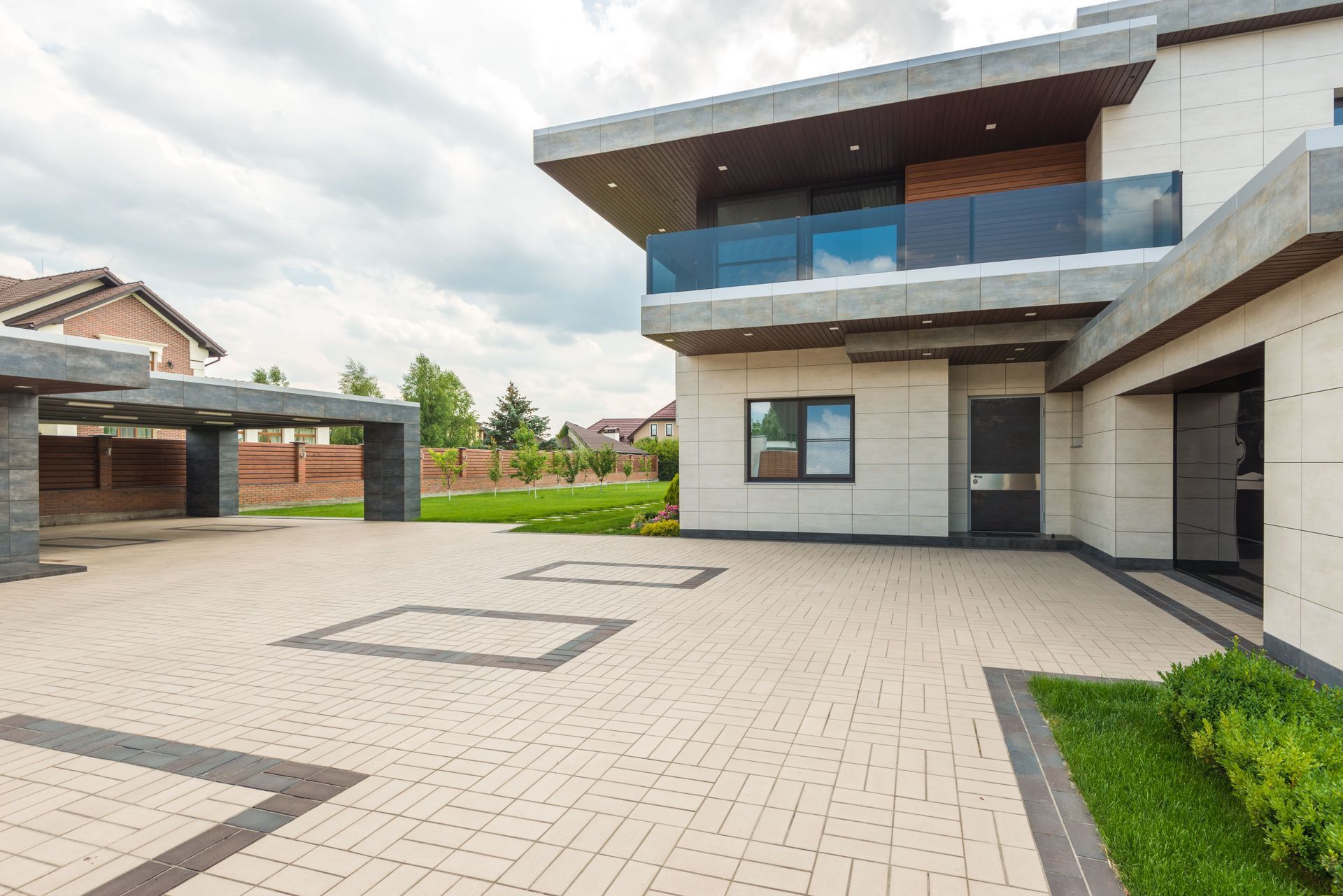
Driveways with defined parking bays. On wider plots, marking out individual parking bays using a contrasting material or a change in laying pattern adds order to the space. It also makes it clear how many cars the driveway is designed to hold. This works particularly well with block paving, where the pattern can shift between the bay areas and the main driveway surface.
Turning Ideas into a Finished Driveway with a Local Team
Gathering ideas is a good starting point. The next step is talking to someone who knows the area, understands local planning requirements, and can look at your specific plot before quoting.
The M&C team has been working on driveways across Oxfordshire for over 30 years. The team is family-run, based locally with offices in Bicester and Thame, and every job is carried out by our own team rather than subcontracted out. That matters for quality and accountability.
Every quote is free and comes with no obligation. The M&C team will visit your property, take measurements, discuss the surface and layout options that suit your home, and give you a fixed price with no hidden costs. All work is backed by the 10-Year M&C Workmanship Guarantee.
You can see examples of completed driveways across Oxfordshire in the
projects gallery, which gives a good sense of how different surfaces and layouts look in real front gardens. For
driveways in Bicester and the surrounding villages, or
driveways in Thame and the villages to the south, the M&C team covers the whole area.
To request a free, no-obligation quote for your new driveway, use the
contact and free quote form on the website.