How a Tarmac Driveway Is Built and What Affects the Cost
A tarmac driveway is not just a layer of black material laid over the ground. A properly installed driveway starts with preparation, and that preparation is where a lot of the cost and quality difference lies.
Ground preparation is the first step. The existing surface is excavated to the correct depth, usually 150 to 200 millimetres, and the sub-base is compacted and levelled. On older properties in villages like Launton or Ambrosden, the ground conditions can vary, and extra dig-out or fill may be needed. This adds time and cost, but skipping it leads to cracking and settlement within a few years.
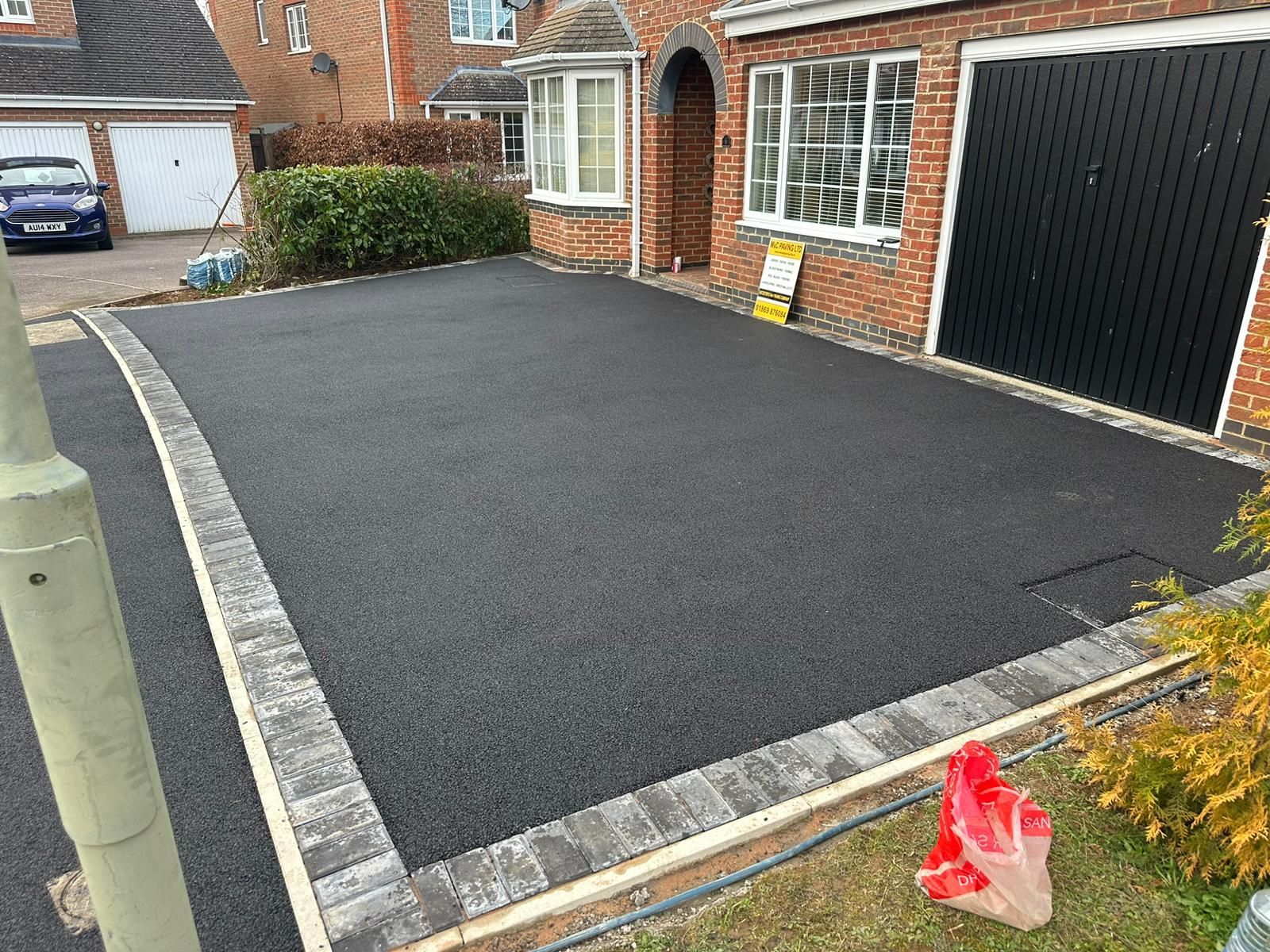
Edging and drainage come next. Tarmac needs a solid edge to prevent the surface from spreading or crumbling over time. Drainage channels or block edging are often installed at this stage. If your driveway slopes towards the house, drainage is not optional. Oxfordshire winters bring wet spells, and standing water on a driveway accelerates wear.
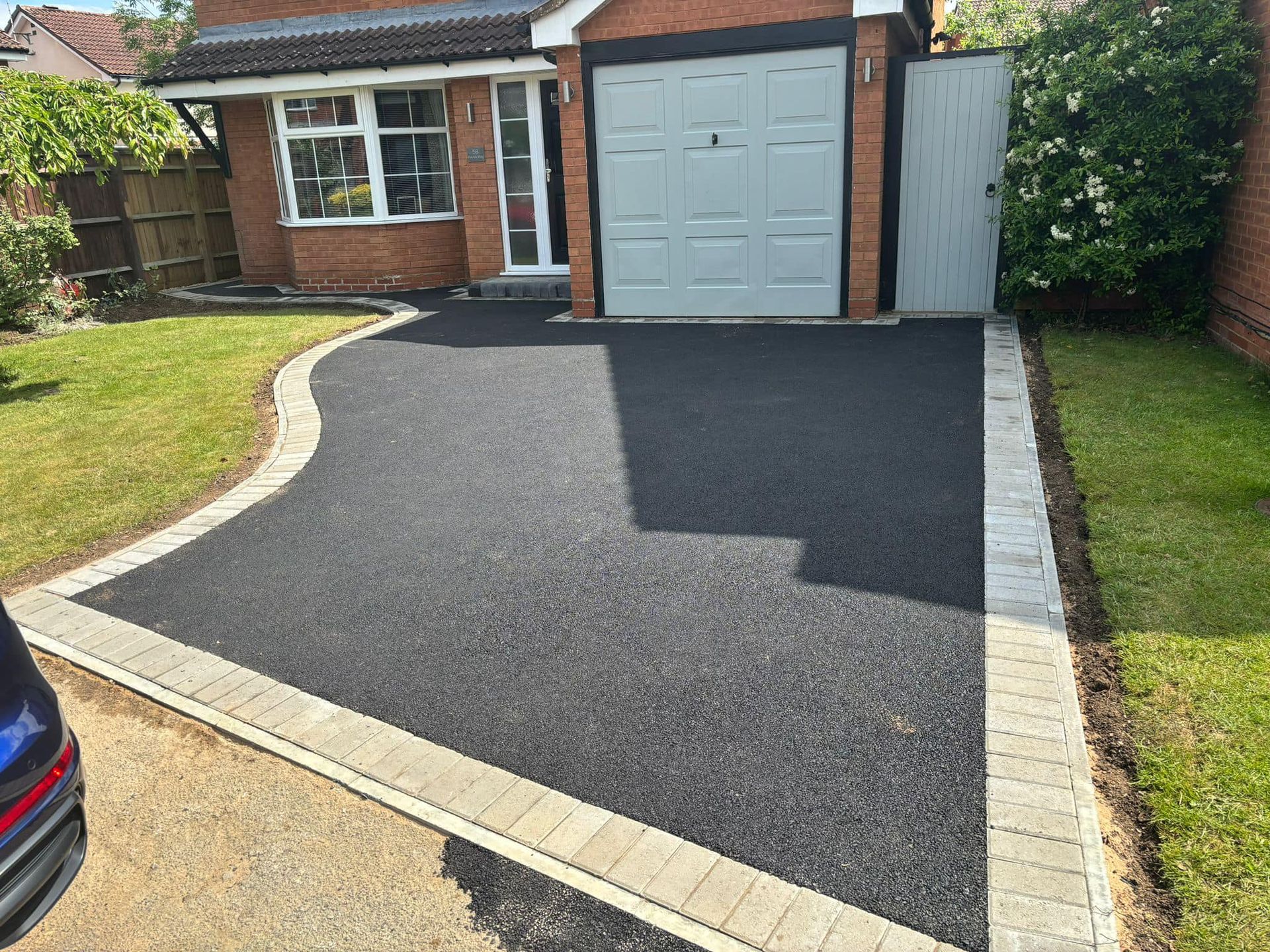
The tarmac layers are then laid in two stages: a base course and a wearing course. The base course gives structural strength. The wearing course is the smooth, finished surface you see. Both are compacted with a roller while hot. This two-layer approach is what separates a durable installation from one that fails early.
Size is the biggest single driver of cost. A typical Bicester semi-detached property might have a driveway of 30 to 50 square metres. A larger detached home in the Thame area, with a double-width or longer run, could be 60 to 90 square metres or more. As a general guide, tarmac installations in Oxfordshire tend to run from around £50 to £80 per square metre for a standard two-layer installation, though this varies with access, ground conditions, and any extra work required.
Access and site conditions affect labour time significantly. A tight terrace with a narrow gate costs more per square metre than an open-fronted plot, because materials and machinery are harder to manoeuvre. If skips or spoil removal are needed, that adds to the total.
Edging choices also shift the price. Plain haunched kerbs are the most economical. Block paving edging or decorative borders cost more but improve the finished look considerably.
A straightforward 40-square-metre tarmac driveway on a prepared, accessible site in Bicester or Thame might come in around £2,000 to £3,200. A larger or more complex job, or one requiring significant excavation, will cost more. The only way to know your actual figure is to have the site assessed in person.
Lifespan, Upkeep, and Where Tarmac Suits Best
A well-installed tarmac driveway, laid on a proper sub-base, should last 20 to 25 years with basic maintenance. That makes it one of the more cost-effective surfaces over its lifetime, even if other materials have a higher initial appeal.
Maintenance is minimal. Tarmac does not need sealing in the way some surfaces do, though a sealcoat every five to seven years can extend its life and keep the surface looking fresh. Weeds can push through cracks if they develop, so prompt repair of any small damage is worthwhile. Prompt attention to minor cracks costs very little. Leaving them to grow can mean a more significant repair later.
Summer heat can soften tarmac temporarily. In a very hot spell, heavy vehicles parked in the same spot for long periods can leave marks. This is rarely a practical problem for most Oxfordshire homeowners, but worth knowing if you have a heavy van or trailer that sits in one place for weeks at a time.
Where tarmac works well is a broad category. It suits standard residential driveways, long runs to rural properties, and any situation where a clean, low-maintenance surface is the priority. It is particularly popular on larger driveways in the villages surrounding Bicester and Thame, where plot sizes are generous and the goal is a practical, durable finish rather than a decorative one.
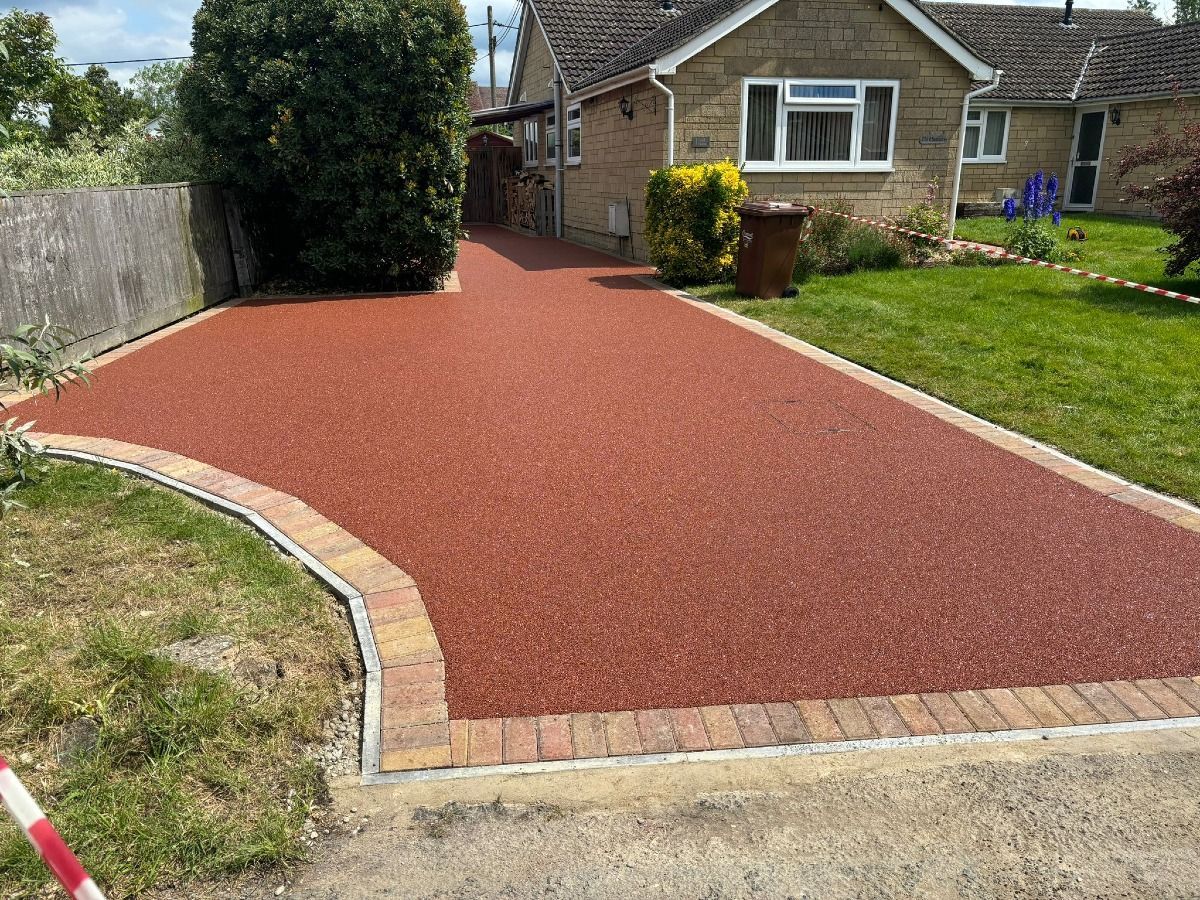
Where tarmac has limits is worth being honest about. If you want a highly decorative finish with multiple colours or intricate patterns, block paving or resin may suit you better. Tarmac is available in black as standard, and while coloured tarmac exists, it is less common and costs more. The appeal of tarmac is its simplicity and its value.
The
M&C Paving team has been installing tarmac driveways across Oxfordshire for over 30 years. That experience matters when it comes to reading ground conditions, planning drainage, and knowing what a driveway will face through local winters and summers.
Getting a Fixed Tarmac Quote from a Local Installer
The price guides above give you a starting framework, but every driveway is different. The only number that matters for your project is the one based on your actual site.
A fixed quote means no surprises when the job is done. The M&C team provides written quotes with no hidden costs. What you are quoted is what you pay. There are no additions for access difficulties or extra spoil removal unless something genuinely unforeseen comes up, and that is discussed with you before any work starts.
M&C Paving holds a 10-Year M&C Workmanship Guarantee on installations, and with over 470 reviews on TrustATrader at 4.92 stars, the track record is there to check independently. Every job is carried out by the M&C team directly, not passed to a subcontractor.
For more detail on tarmac installations in your area, the
tarmac driveways Bicester and
tarmac driveways Thame pages cover local specifics. The
practical guide to tarmac driveways in Bicester and Thame goes deeper on materials and method if you want to read further before booking.
To get a free, no-obligation quote for your tarmac driveway, use the
contact and free quote page or call the Bicester office on 01869 876084 or the Thame office on 01844 319839.