When a Driveway Needs Planning Permission and What the Rules Say
In England, the rules changed in 2008. Before that, you could lay almost any surface on your front garden without a second thought. Now, the material you choose matters.
The key principle is drainage. If rainwater from your new driveway runs off into the public highway or the street drainage system, you may need planning permission. If it drains naturally into the ground, you generally do not.
Permeable surfaces are exempt. Gravel, resin-bound aggregate, permeable block paving, and other surfaces that allow water to pass through directly do not require planning permission for a front driveway, provided the area drains to a lawn or border rather than the road.
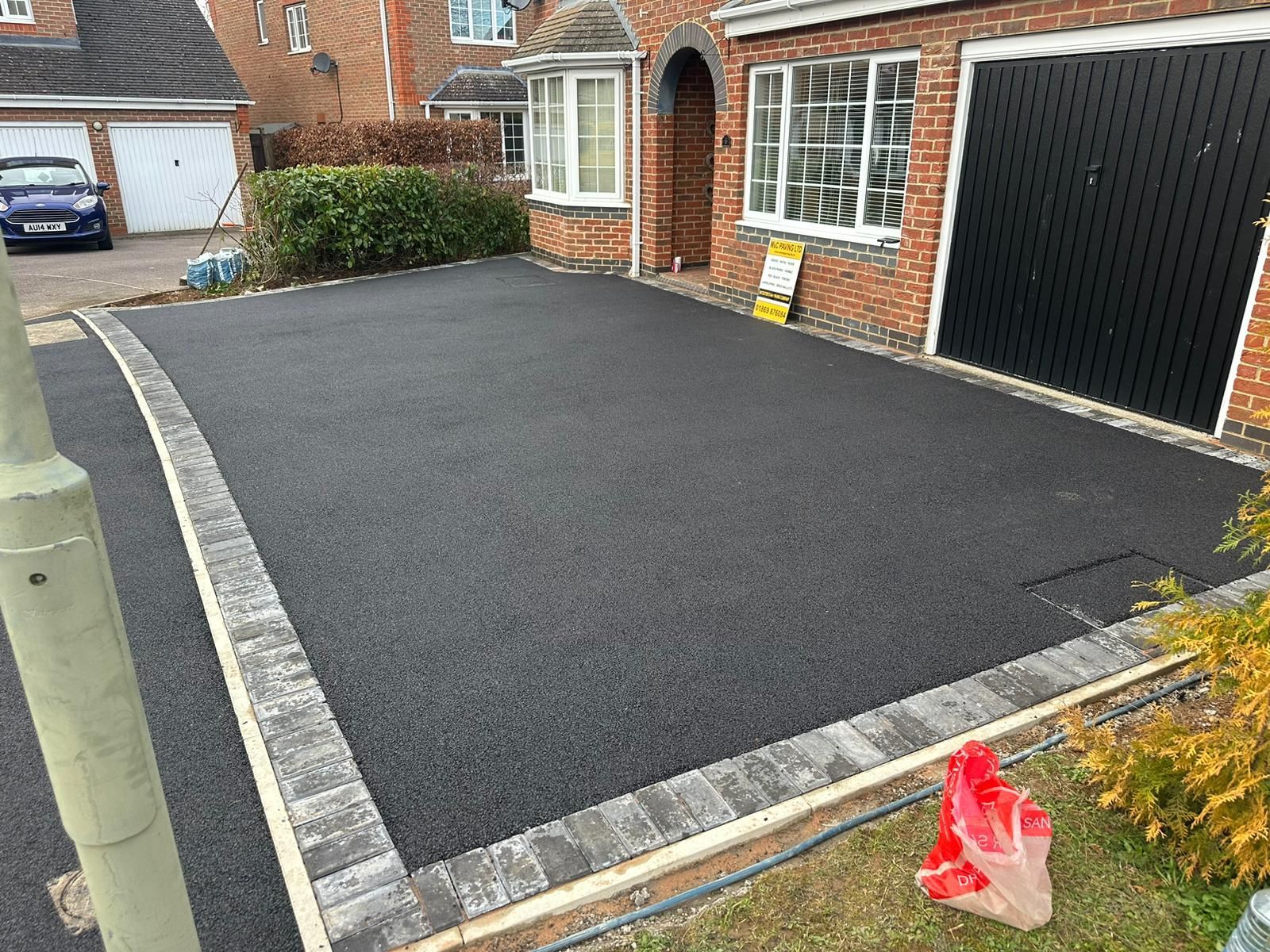
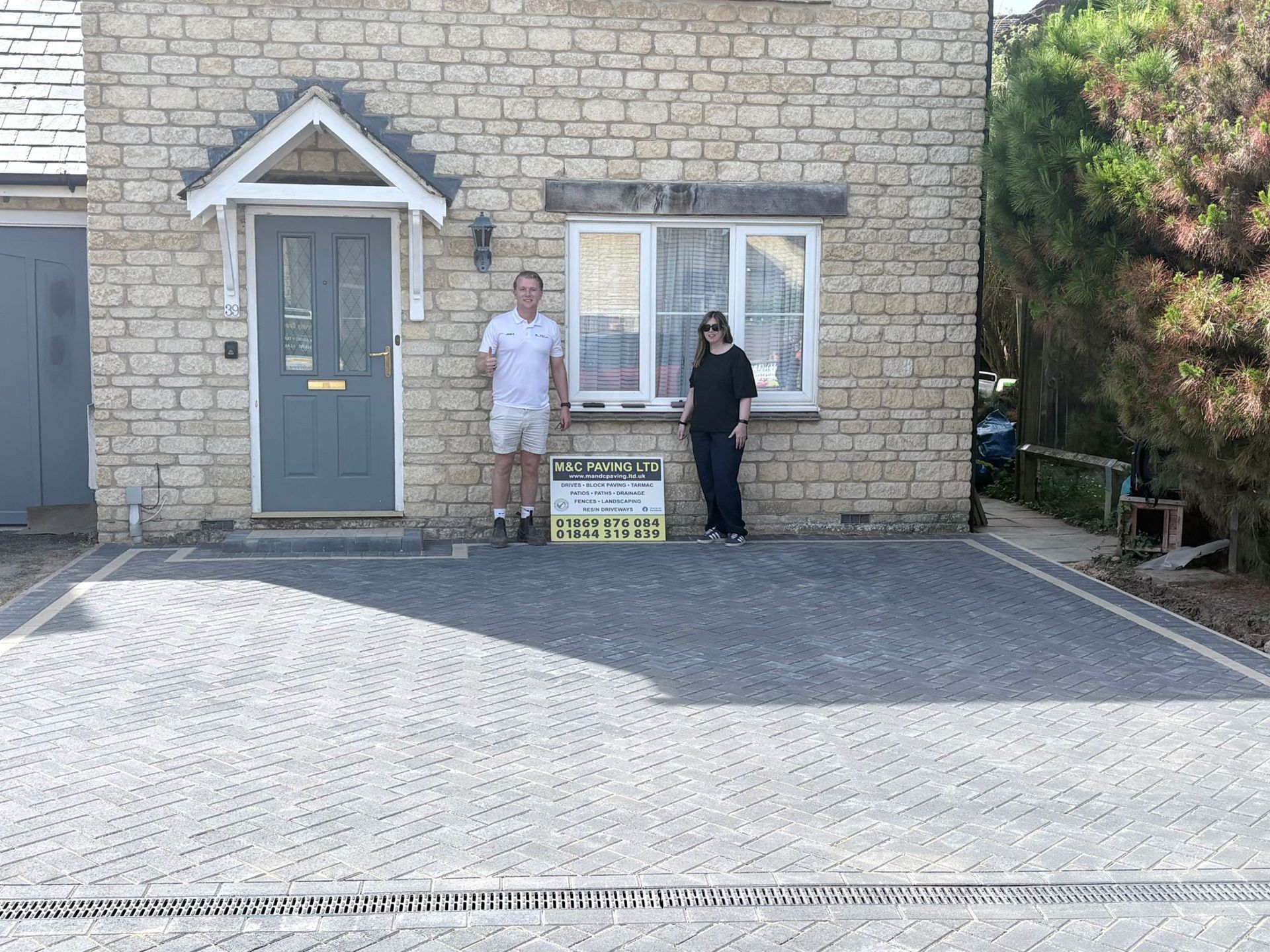
Non-permeable surfaces trigger the requirement. Solid tarmac, standard block paving, and similar impermeable surfaces need planning permission if the driveway covers more than five square metres. Most driveways in Bicester, Thame, and the surrounding villages are well above that threshold, so the choice of surface has a real planning consequence.
Size and location also matter. Planning rules apply to the principal elevation of a house, meaning the front. Side and rear areas have different rules. If your property is in a conservation area or is a listed building, additional restrictions apply. Parts of Oxfordshire, including some older villages around Thame, have conservation area designations that affect what you can do without consent.
If you are unsure whether your property falls within a restricted area, your local planning authority can advise. Cherwell District Council covers Bicester and much of north Oxfordshire.
South Oxfordshire District Council covers Thame and the surrounding area. Both publish guidance online, and a quick check before you commit to a design is always worthwhile.
The practical upshot is this: a permeable surface is almost always the simpler route. It avoids the need for a planning application in most cases, it handles Oxfordshire's wet winters more effectively, and it tends to look better over time.
Permeable and Resin Options That Drain Well and Look Good
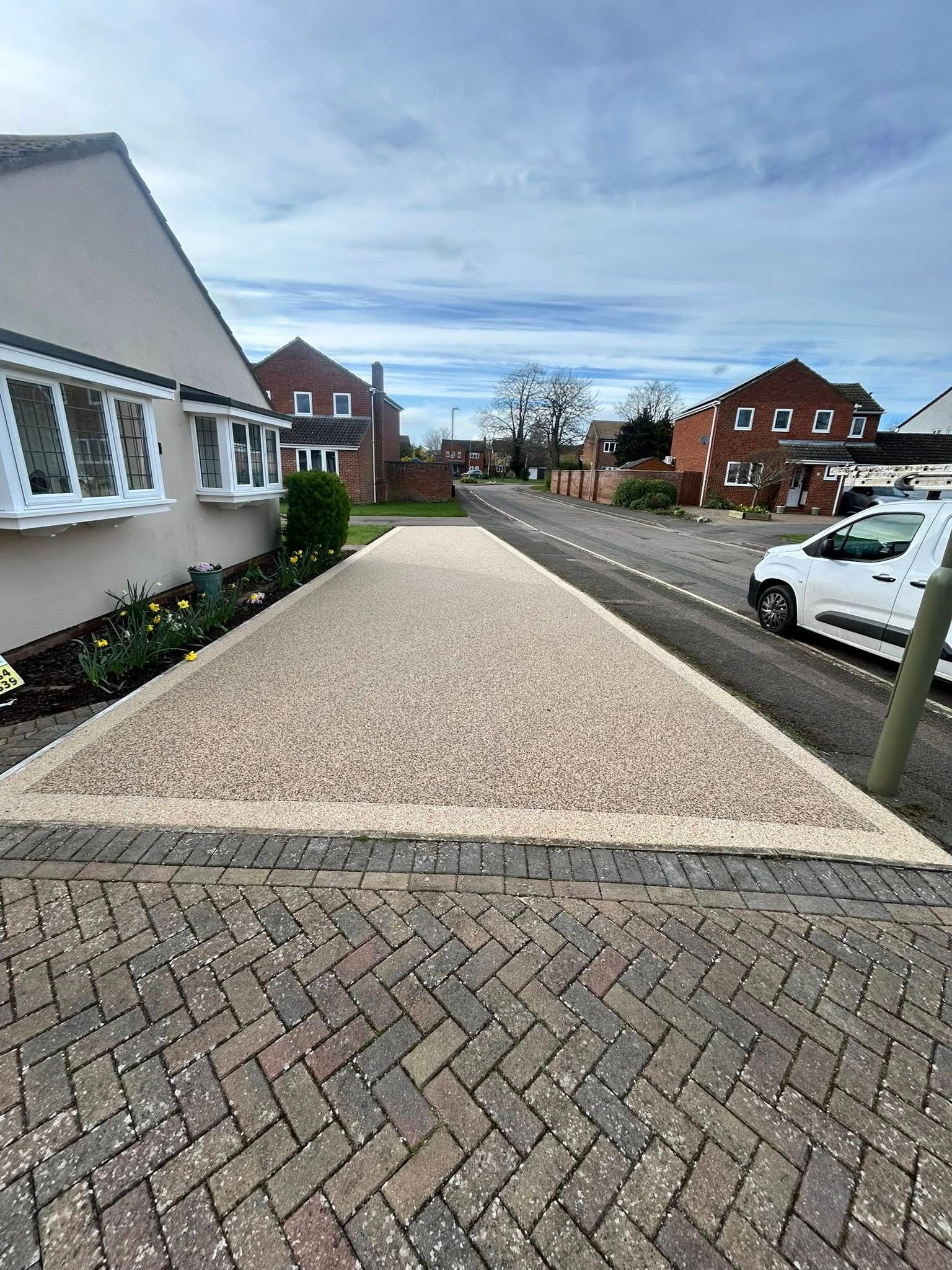
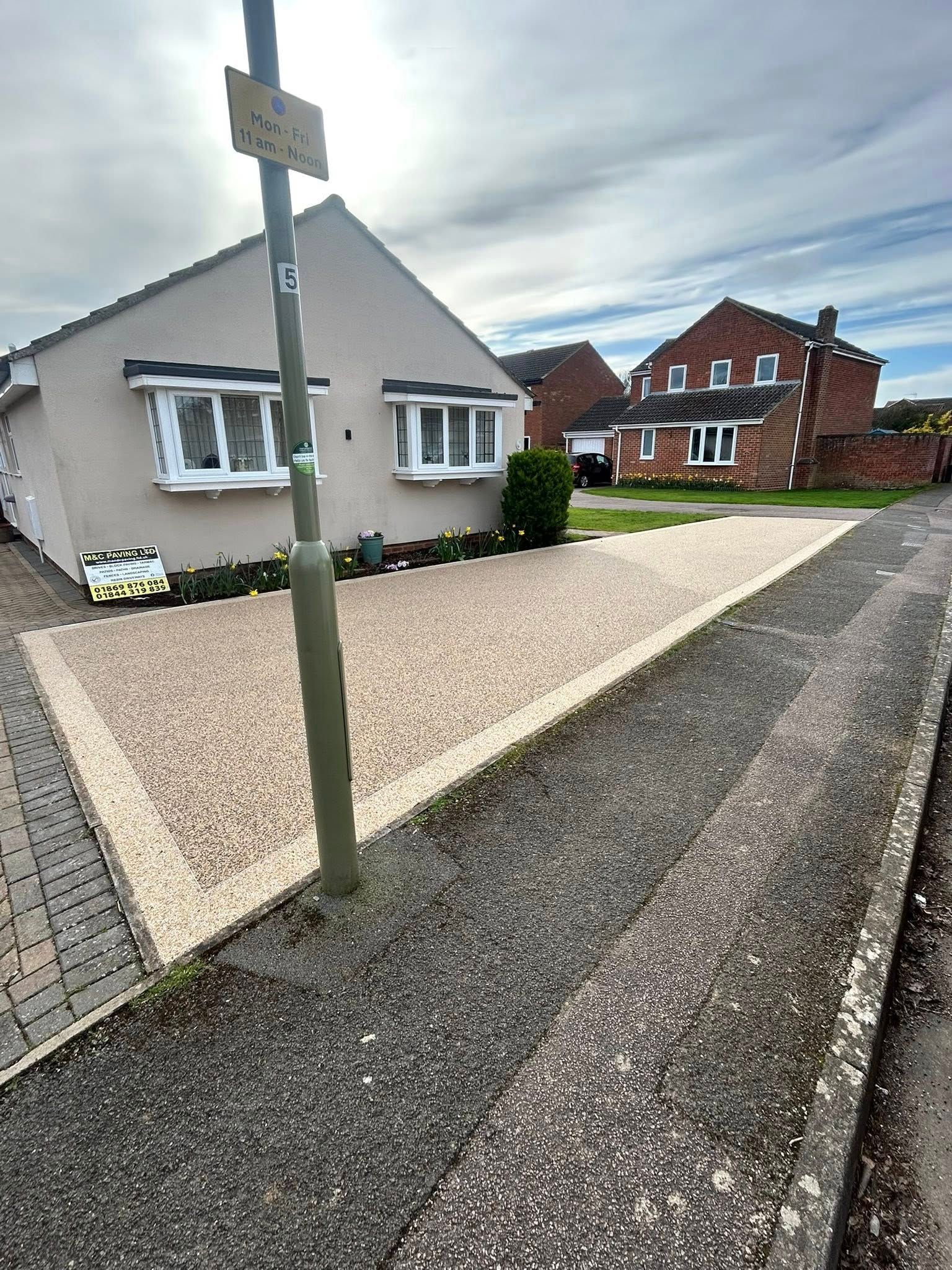
The most popular compliant choice right now is resin-bound surfacing. It has become the go-to option for homeowners across Bicester, Thame, Haddenham, and Chinnor who want a driveway that is both attractive and fully permeable.
Resin-bound surfacing works by binding natural aggregate in a clear resin, then laying it onto a prepared base. Water passes through the surface and drains into the sub-base below. The finish is smooth, even, and available in a range of stone colours. It does not scatter underfoot the way loose gravel does, and it holds its appearance well through the freeze-thaw cycles that Oxfordshire winters bring.
Our
resin driveways in Bicester page has more detail on the options available, including the aggregate colours and finishes that work well with the brick and render styles common to Oxfordshire homes.
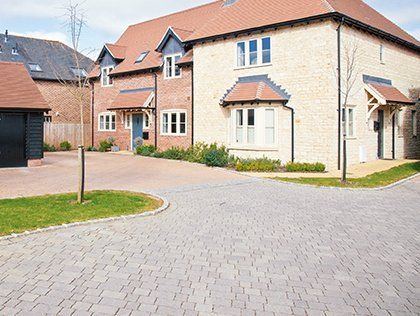
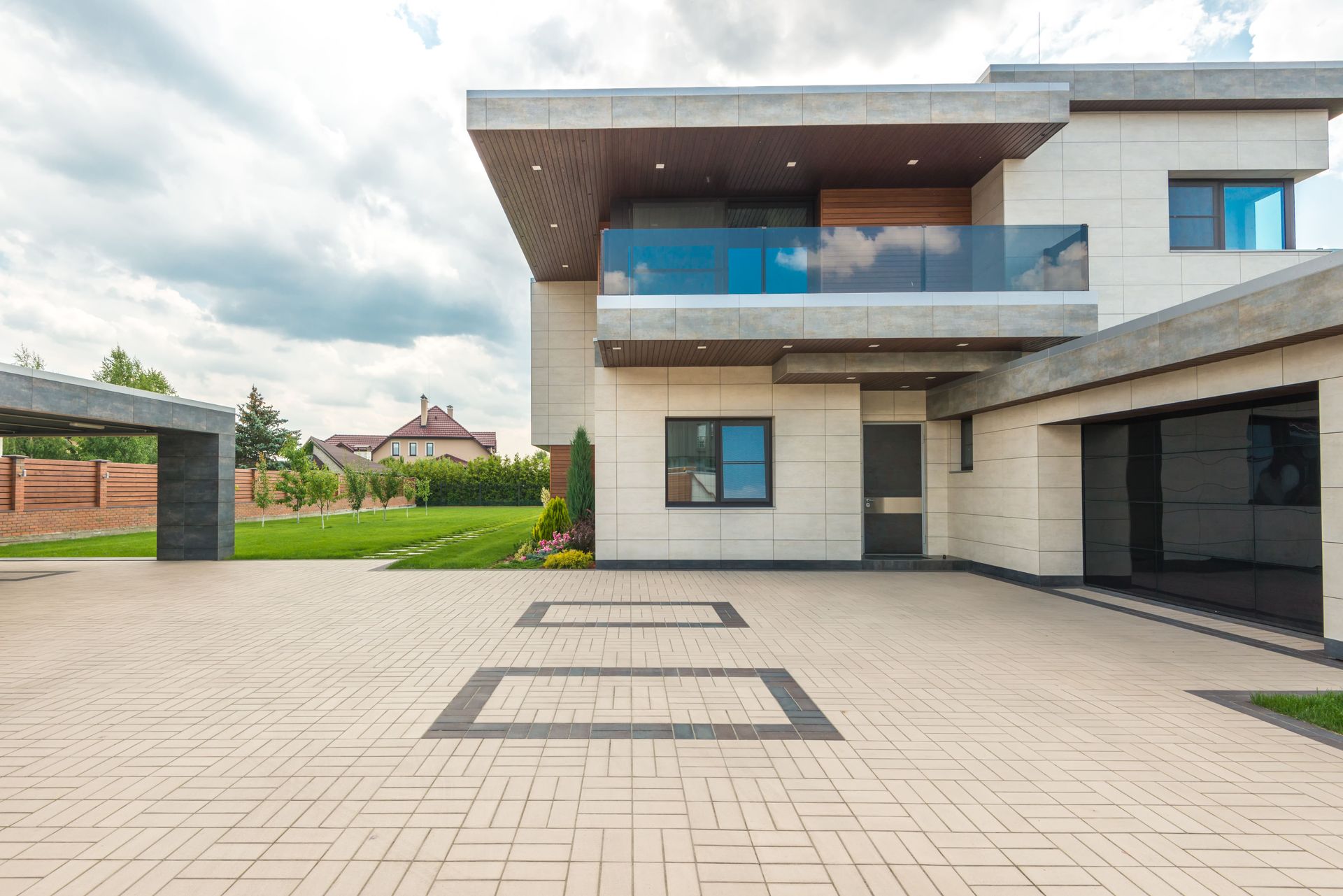
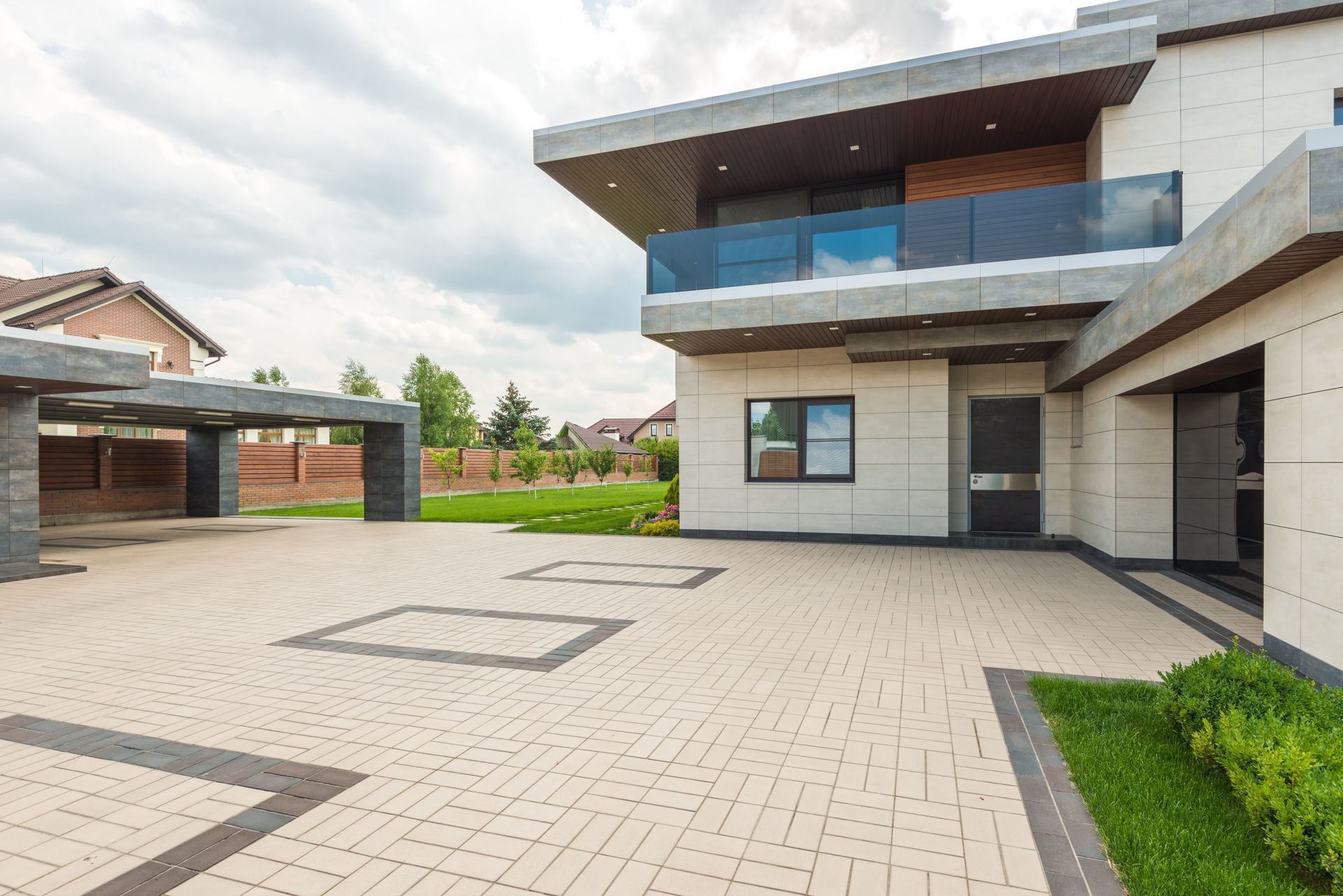
Permeable block paving is another strong option. Blocks are laid with small gaps between them, and those gaps are filled with jointing material that allows water to pass through. It suits larger driveways well and gives a more traditional look that suits period properties in villages like Launton or Ambrosden.
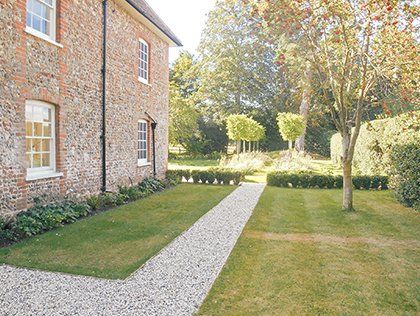
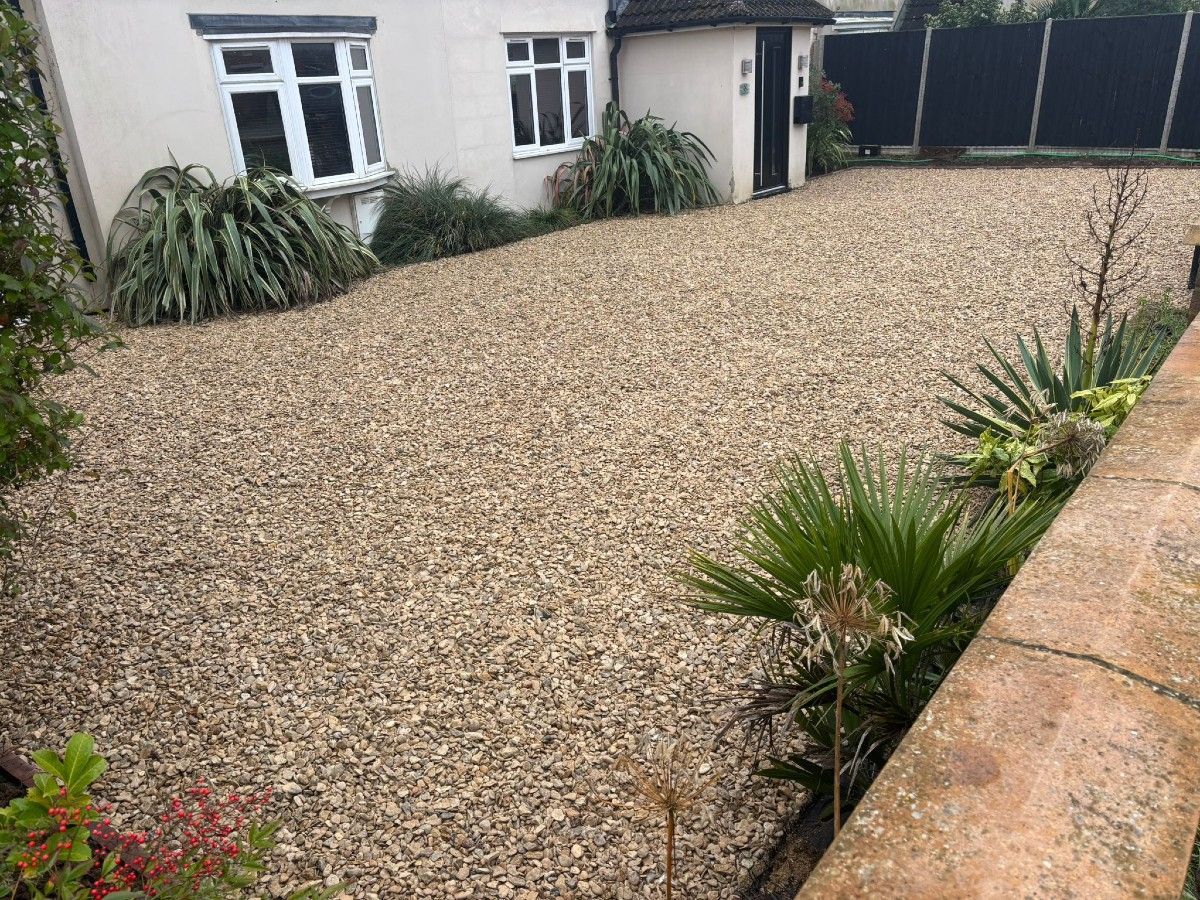
Gravel remains a cost-effective permeable choice. It drains freely, requires no planning permission in most cases, and suits rural and semi-rural properties well. The trade-off is that gravel needs occasional topping up and can migrate if not properly edged and contained.
Each of these surfaces has a different character, a different price point, and a different maintenance profile. The right choice depends on your property, your budget, and how you use the space. Our driveway and patio guides cover the key comparisons in more detail if you want to read further before booking a conversation.
Getting a Compliant Driveway Installed Correctly
Choosing a permeable surface is only part of the picture. The installation has to be done correctly for the drainage to work as intended.
A resin-bound driveway, for example, relies on a properly prepared and graded sub-base. If the base is poorly laid or the falls are wrong, water will pool rather than drain. That defeats the purpose of the permeable surface and can cause problems with your planning position if an inspector ever queries the drainage performance.
This is where professional installation matters. The M&C team has been installing driveways across Oxfordshire for over 30 years. Every job is carried out by our own team, not subcontractors. We assess the ground conditions, design the drainage falls, and prepare the base to the specification the surface requires.
We back every installation with a 10-Year M&C Workmanship Guarantee. That covers the quality of the work, not just the materials. If something is not right, we come back and put it right.
Homeowners in Bicester, Thame, and the surrounding villages have rated us 4.92 stars across 470+ reviews on TrustATrader, and 4.9 stars on Google. Those numbers reflect the care the team puts into every project, from the initial survey through to the finished surface.
A typical front driveway in the Bicester area runs to around 40 to 60 square metres, though many homes in Thame and the villages have longer plots that push that figure higher. Whatever the size of your project, we carry out a full site visit before quoting, so the price you receive reflects the actual work involved. No hidden costs, no surprises on the day.
If you are ready to explore your options and want to understand exactly what a compliant, well-drained driveway would look like for your property, get in touch with the M&C team for a free, no-obligation quote. Use our
contact and free quote page to request a visit, or call our Bicester office on
01869 876084 or our Thame office on
01844 319839.