Tarmac has been a staple for driveways for many years, and it continues to be a reliable option for homeowners across Bicester and Thame.
It’s chosen less for appearance and more for practicality. If you want a clean, durable surface that can handle regular use without unnecessary complexity, tarmac does that well.
It may not offer the same level of customisation as other surfaces, but in the right setting, it’s an efficient and effective solution.
What Is a Tarmac Driveway?
A tarmac driveway is created by laying a mixture of aggregate and bitumen over a prepared base, which is then compacted to form a solid surface.
Once installed, it creates a smooth, continuous finish that is strong under weight and suitable for a wide range of driveway sizes.
Because it’s laid as one continuous layer, there are no joints or individual units to maintain, which simplifies things over time.
A Practical Example of Tarmac Done Properly
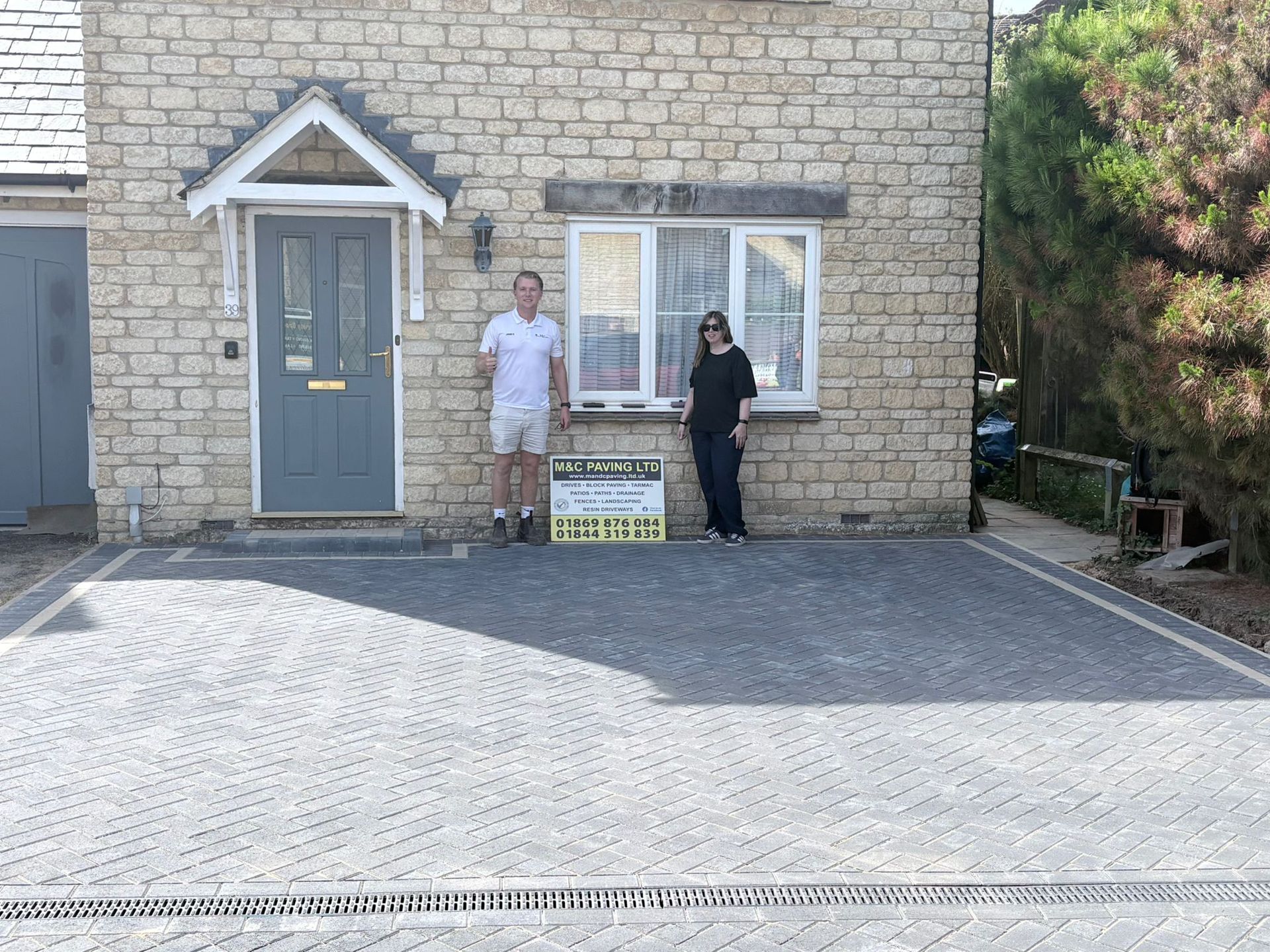
We’ve carried out tarmac driveway installations for a range of properties in and around Thame where the priority was durability and ease of use.
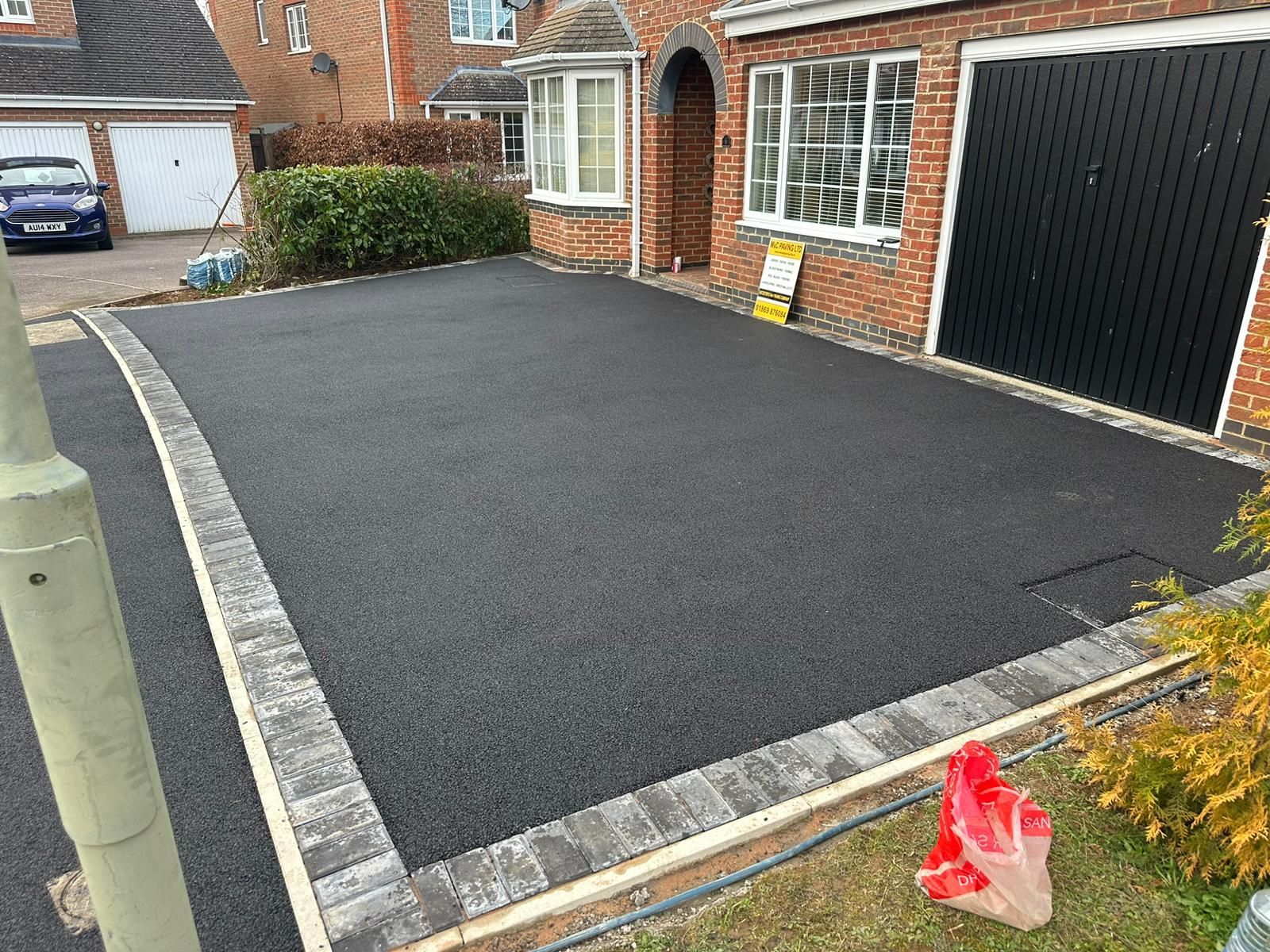
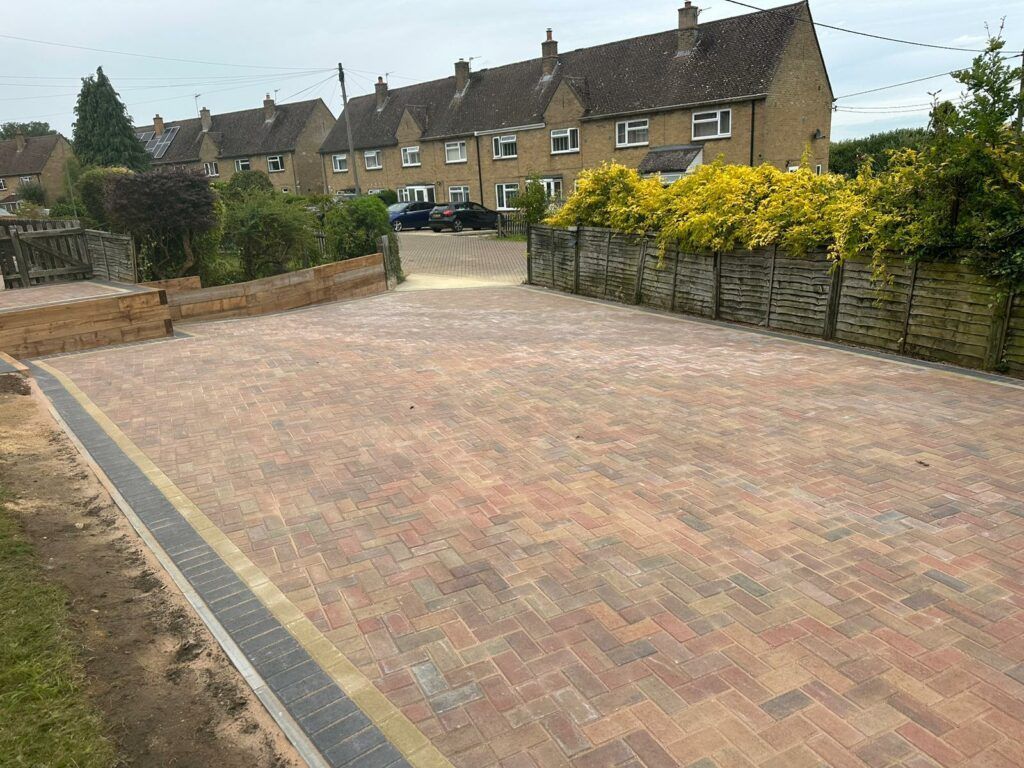
In one case, a homeowner had a large open driveway that needed resurfacing after years of wear. The existing surface was uneven and starting to break down in places.
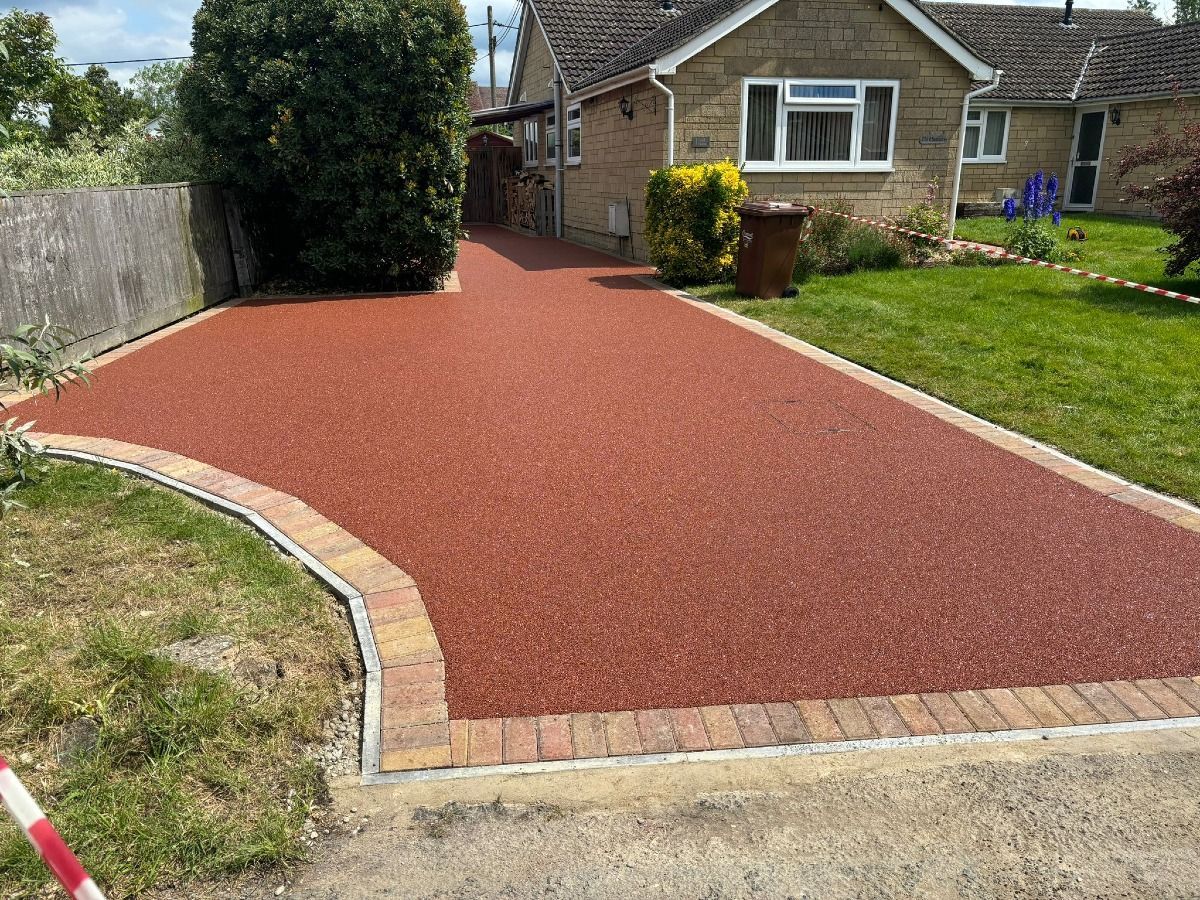
We removed the old material, prepared and compacted a new sub-base, and installed a fresh tarmac surface with clean edging to define the space. The result was a level, tidy driveway that could handle daily vehicle use without issue.
It wasn’t about adding complexity. It was about creating a reliable surface that performs well over time.
The Importance of Proper Groundwork
As with any driveway, what happens underneath the surface is critical.
A tarmac driveway relies on a stable base to prevent movement. If the foundation isn’t prepared correctly, the surface can start to crack or dip over time.
That’s why the process always begins with excavation to the required depth, followed by the installation of a compacted sub-base. This creates a solid platform for the tarmac to sit on and helps ensure long-term stability.
How Long Does a Tarmac Driveway Last?
A well-installed tarmac driveway can last between 12 and 20 years depending on usage and maintenance.
It performs well under regular vehicle traffic and is particularly suited to larger driveways or areas where strength and simplicity are the main priorities.
Over time, natural wear can occur, but with a properly prepared base, the surface should remain functional and tidy for many years.
Appearance and Finishing Options
While tarmac is often chosen for its practicality, there are ways to improve its overall appearance.
One common approach is to include block paving borders or edging. This adds definition to the driveway and creates a more finished look without changing the core surface.
It’s a simple way to combine durability with a bit more visual detail.
Is Tarmac the Right Choice for You?
Tarmac is a good option if you’re looking for a straightforward, cost-effective driveway that performs reliably.
It works well for larger areas, high-traffic households, and projects where the priority is function over decorative detail.
As always, the suitability of the surface depends on the condition of the ground and how the driveway will be used. That’s something that should be assessed before making a final decision.
Thinking About a Tarmac Driveway in Bicester or Thame?
If you’re considering tarmac, the best starting point is a proper site visit.
James will assess your driveway, explain the options based on your property, and provide a clear written quote. Everything is explained upfront, with no pressure to proceed and no upfront payment required.
It’s a simple, reliable way to get a driveway that’s built to last.